

News
Living With Linen: Cushions and Throws in Thoughtful Interiors

Dec
Some textiles announce themselves immediately. Others settle into the background, becoming part of daily life without asking for attention. Cushions and linen throws belong firmly to the second category. They are not centrepieces, yet they shape how a room is used and how it feels to live in. They are handled constantly, moved from place to place, leaned against, folded, and reused day after day. Because of this, they reveal very quickly whether they have been made with care or simply designed to look good at first glance.
Linen has long been a natural choice for these kinds of textiles. Before interiors were curated or styled, cushions and throws existed for comfort, protection, and practicality. Linen performed these roles quietly and reliably, valued for its strength, breathability, and ability to improve with use. Today, as interiors have become cleaner and more restrained, linen cushions and throws have regained relevance not as decorative accents, but as materials that make a space feel balanced and lived in.
At AllÓRA, our interest in linen cushions and throws comes from living with them. These are the textiles we reach for every day, not because they make a statement, but because they work.
Cushions and Throws as Everyday Companions
 Cushions and throws are among the most frequently used textiles in the home. They sit between the body and furniture, softening hard surfaces and making spaces more comfortable to inhabit. Unlike table linens or decorative objects, they are rarely left untouched. They are adjusted instinctively, stacked, moved, and reused without much thought.
Because of this constant contact, their material qualities matter more than their appearance alone. A cushion that looks appealing but collapses after a few weeks quickly becomes frustrating. A throw that feels stiff or synthetic is often pushed aside. Linen behaves differently. It has a natural give that responds well to pressure, offering support without rigidity. Over time, it softens while retaining structure, adapting to the way it is used rather than deteriorating.
This is one of the reasons linen cushions continue to feel appropriate in modern living spaces. They do not dominate a room or impose a style. Instead, they support everyday use, allowing furniture and architecture to remain the focus while adding comfort and texture.
You can see this approach reflected in our linen cushions collection, where handwoven fabrics and careful finishing give each piece presence without excess.
Why Linen Behaves Differently From Other Fabrics

Linen’s behaviour comes from the flax fibre itself. Flax produces long, strong fibres that can be spun into threads with excellent tensile strength. When woven well, these fibres create cloth that is breathable, absorbent, and resistant to wear. Unlike cotton, which tends to pill or weaken over time, linen responds to use by becoming smoother and more flexible.
This makes linen particularly suited to cushions and throws, which must endure repeated contact and movement. Linen cushions retain their shape longer, and linen throws fold and drape naturally without losing body. Synthetic fabrics may feel soft initially, but they often lack resilience and can trap heat or static, making them uncomfortable in everyday use.
According to research published by the Linen Association of Europe, linen fibres maintain structural integrity even after repeated washing and prolonged use, especially when woven at moderate speeds and finished carefully.
This durability explains why linen textiles have historically been passed down through households, often surviving for decades. It also explains why modern linen cushions and throws, when made properly, continue to feel relevant long after trends change.
Handmade Linen in Contemporary Living Rooms

Credit: House&Gardens
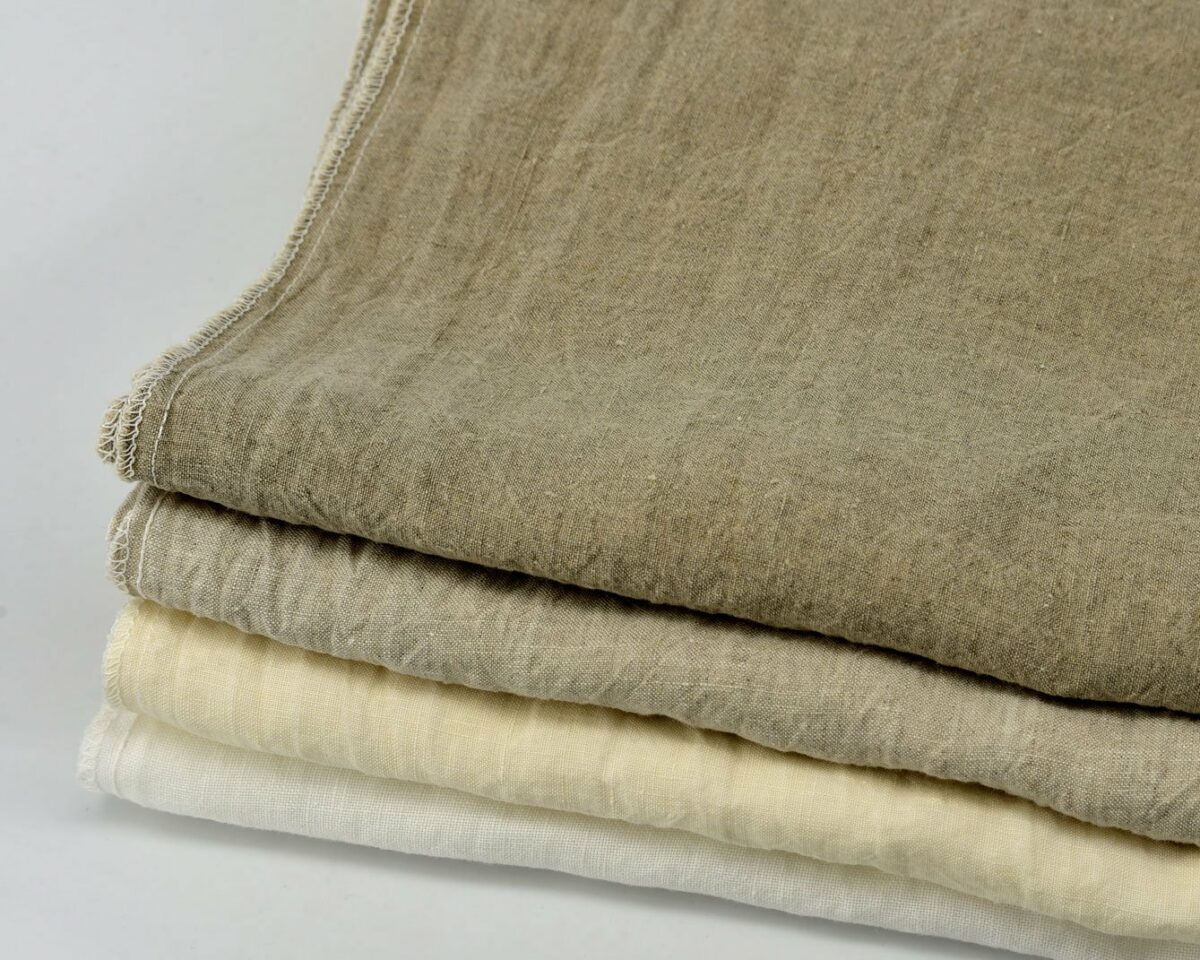
Handmade linen introduces subtle variation that machine-made textiles struggle to replicate. These variations appear in the weave, the tension of the threads, and the way colour settles into the fibre. They are not decorative effects, but natural results of attentive production.
In contemporary interiors, where furniture often favours clean lines and neutral finishes, this kind of variation prevents spaces from feeling flat. A handmade linen cushion on a modern sofa adds texture without visual noise. A linen throw folded over a bench or chair softens the setting while remaining understated.
This is where artisan linen home textiles excel. They do not compete with the architecture or furniture of a space. Instead, they complement it, adding comfort and tactility without drawing attention to themselves.
Interior historians at the Victoria and Albert Museum have noted that handmade domestic textiles historically served exactly this purpose, acting as functional layers that balanced harder materials within the home.
Linen Throws Beyond Decoration

Throws are often treated as seasonal accessories, brought out for colder months and removed when the weather changes. Linen throws challenge this idea. Because linen regulates temperature effectively, it remains comfortable across seasons. It does not overheat, nor does it feel heavy or restrictive.
Used thoughtfully, a linen throw becomes a practical layer rather than a decorative one. It can be folded neatly when not in use, draped casually over furniture, or used as an extra covering when needed. Its texture adds interest to a room without requiring pattern or embellishment.
Our linen throws and blankets reflect this approach, prioritising usability and longevity over visual impact.
Pattern, Colour, and Long-Term Living

Pattern in cushions and throws requires restraint. While bold motifs can be appealing, they must remain liveable over time. Linen’s ability to absorb colour softly makes it particularly suitable for patterns that feel grounded rather than decorative.
Botanical designs, simple geometry, and muted palettes age more gracefully than sharp contrasts or synthetic prints. Linen cushions with these qualities tend to integrate naturally into a room, allowing other elements to change around them without becoming outdated.
This balance is especially important in spaces where cushions and throws are used daily. Rather than dominating the room, they support it, offering visual continuity and comfort.
How Linen Cushions and Throws Change With Use
One of linen’s defining qualities is how it responds to time. Unlike many textiles that deteriorate or lose shape, linen softens gradually while maintaining strength. Repeated washing and handling improve flexibility without compromising structure.
Studies from the Textile Research Centre in Copenhagen confirm that linen fibres, when properly woven and finished, retain tensile strength over extended use, making them suitable for items intended for daily contact.
This is why linen cushions and throws often remain in use for years, becoming familiar rather than worn out. Their appearance evolves subtly, reflecting use without appearing tired.
Cushions, Throws, and the Rhythm of the Home

Cushions and throws play a quiet role in shaping how a home functions. They soften seating, provide comfort, and make spaces more adaptable. A chair becomes a place to read. A sofa becomes somewhere to gather. These changes happen without effort, supported by textiles that respond naturally to use.
Handmade linen excels in this role because it is not fragile. It tolerates daily handling, frequent washing, and repeated folding. It does not demand special care or careful placement. Instead, it becomes part of the routine of the home.
Choosing Linen Pieces That Last
Selecting linen cushions and throws is less about filling a space and more about choosing pieces that will remain useful over time. Weight, weave, and finishing are better indicators of quality than colour or pattern alone. Linen that feels substantial without stiffness, that folds easily without collapsing, and that holds its shape after use is likely to age well.
This approach encourages fewer, better pieces rather than constant replacement. It supports a way of living that values reliability and comfort over novelty.
Living With Linen, Long Term
Linen cushions and throws do not announce themselves. They support the way a home is lived in, adapting quietly to daily routines. Over time, they become familiar rather than worn, valued rather than replaced.
This quality explains why linen has remained relevant for centuries and why it continues to suit modern interiors so well. It is not about decoration, but about living comfortably with materials that improve through use.