

News
10 Italian Artisans Who Keep Craftsmanship Alive (and Why They Inspire Us Today)

Aug
Italy’s enduring romance with handmade beauty goes well beyond the obvious. To really understand why Italian artisanal craftsmanship still captivates discerning collectors, interior designers and cultured aesthetes across the world, you need to look beyond famous labels and into the workshops themselves.
This is a world of chisels and pigments, coral dust and marble fragments – where patience, tradition and unhurried excellence quietly resist the pressures of mass production. Below, we explore ten extraordinary Italian artisans whose work reminds us why the handmade still matters – and why “slow luxury” holds more relevance (and resonance) than ever.
-
Vincenzo Aucella – Jewellery that captures the soul of the sea
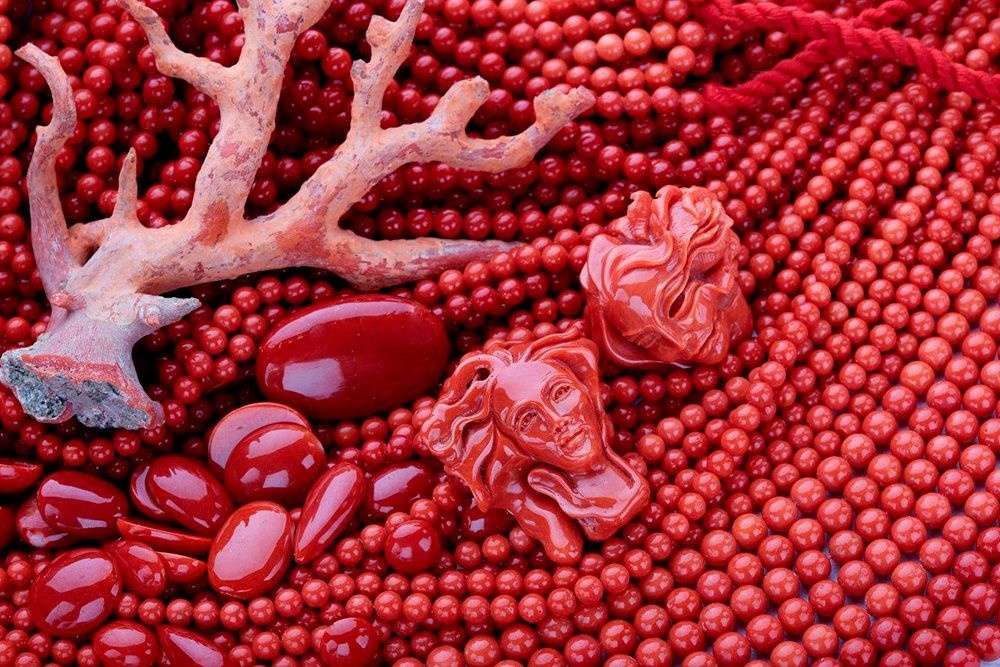 Credit: Vincenzo Aucella
Based in Torre del Greco, near Naples, Vincenzo Aucella is a jeweller rooted in a unique local tradition: the carving of coral and shell cameos. The atelier has carried forward this craft across generations, transforming raw Mediterranean coral and shell into expressive miniature works of art. Today Vincenzo pairs age-old hand-carving techniques with contemporary forms, offering jewellery that feels deeply Italian yet refreshingly modern – meaningful heirlooms rather than fashion pieces.
-
Lorenzo Villoresi – A Florentine poet of perfume
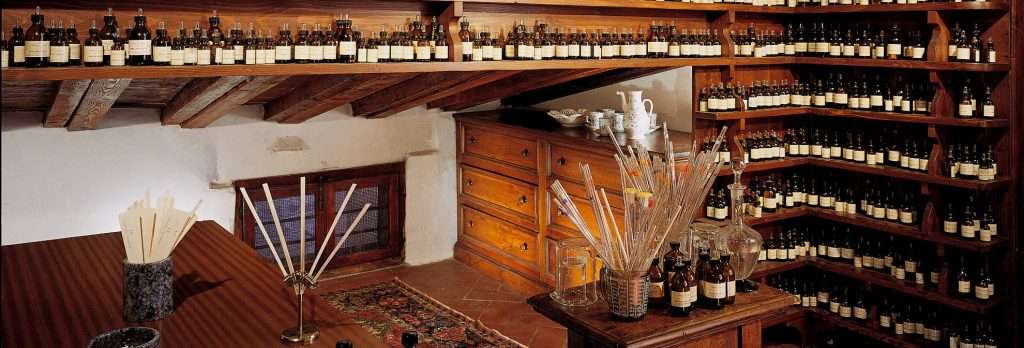

Credit: Lorenzo Villoresi
In a Florentine palazzo overlooking the river, Lorenzo Villoresi approaches perfume like a philosopher. Winner of the prestigious Coty Prize, he blends rare spices, resins and botanicals to create private, small-batch fragrances rooted in memory, travel and emotion. His scents evolve slowly on the skin – layered, unexpected and absolutely individual. Each bottle is composed, poured and boxed by hand in his atelier, keeping the artistry in fragrance alive beyond the commercial perfume world.
-
Antonello Utzeri – The gentle poetry of Sardinian basketry
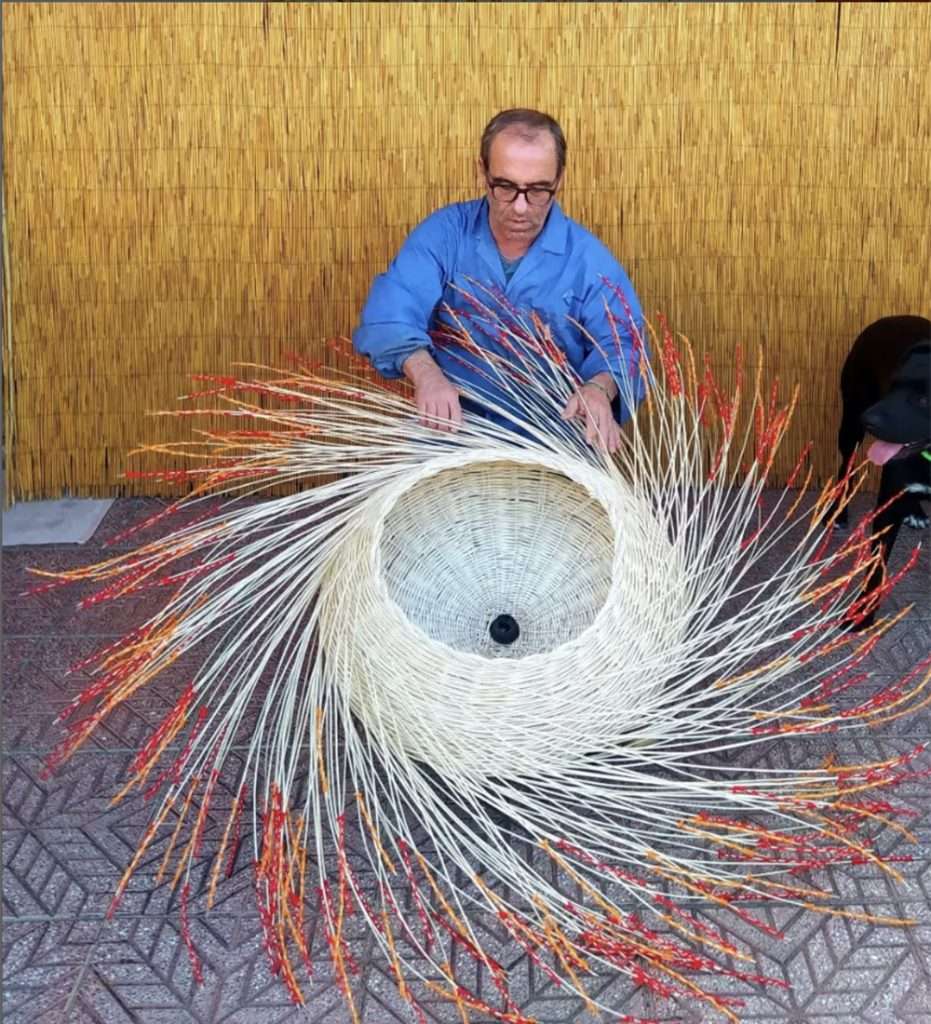
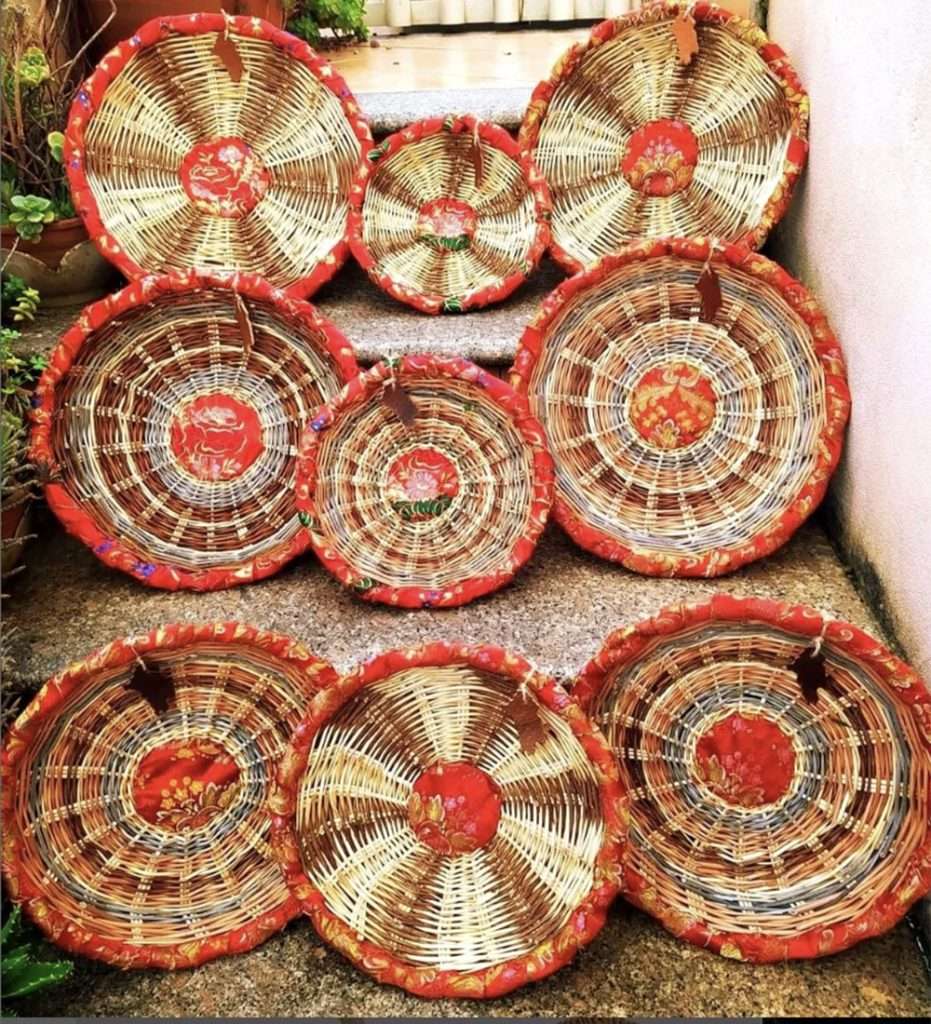
Credit: Cestineria Autzeri
From the small town of Villaputzu in Sardinia, Antonello Utzeri weaves traditional baskets using dwarf palm and cane – a craft once central to rural life. His techniques, rhythms and materials are drawn from the island’s landscape, inspired by the shapes of fishing traps and bread baskets passed down through generations. Each piece is slightly irregular, deliberately so – emphasising the beauty of variation and the authenticity of time-honoured handcraft.
-
Andrea Salvetti – Metalwork with a sculptural heart
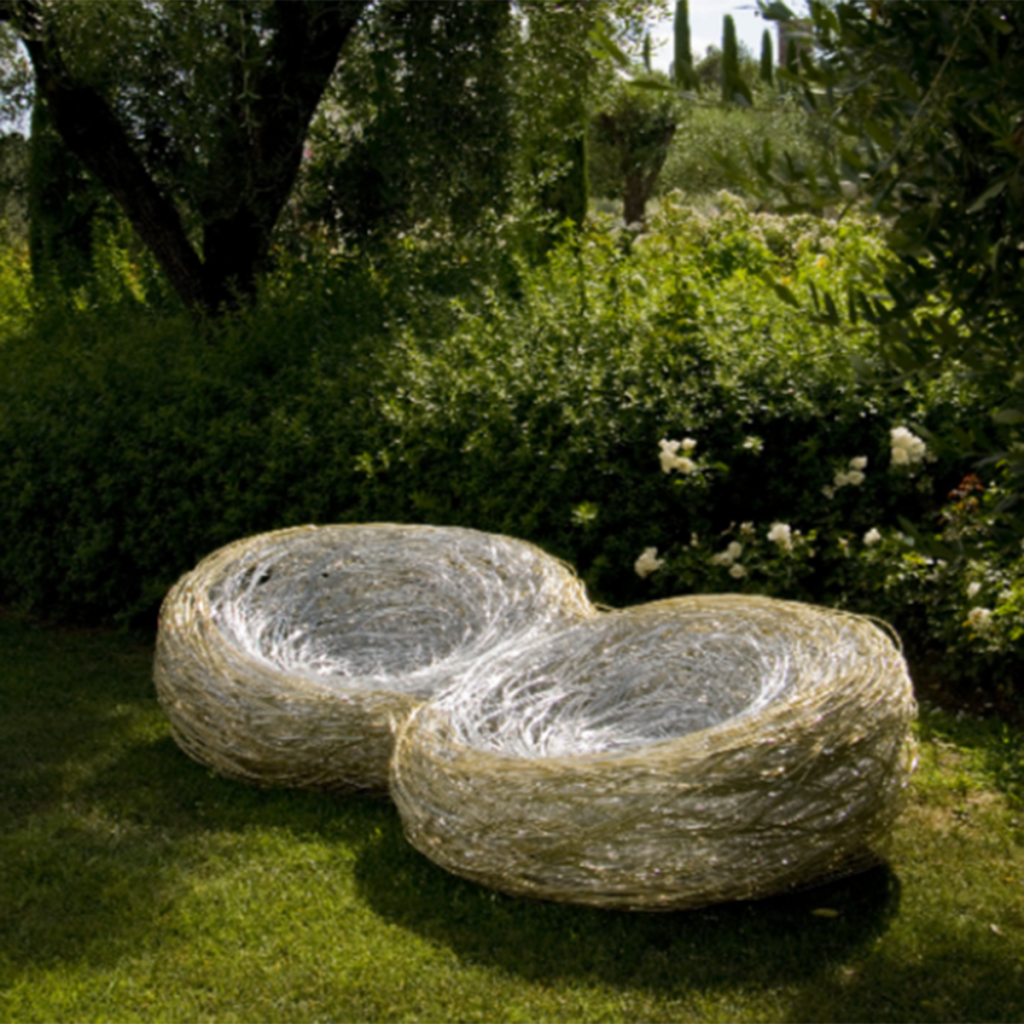
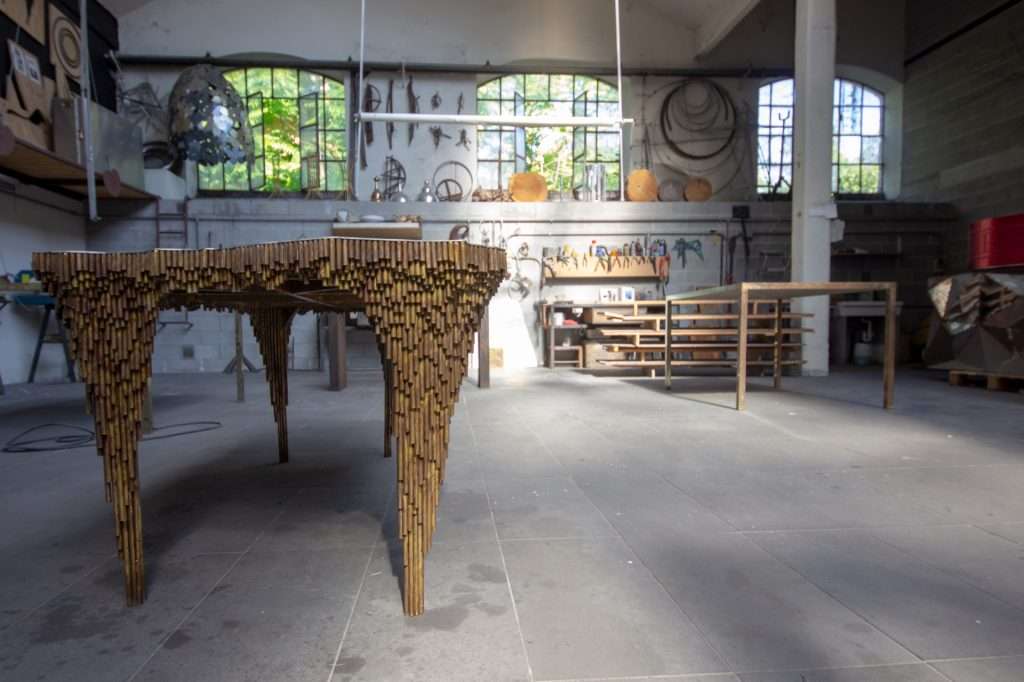
Credit: Spazio Salvetti
More artist than artisan, Andrea Salvetti creates expressive furniture and objects that exist between art, design and nature. Working from his Tuscan studio, he welds, casts and hammers metal into organic forms – sprouting branches, baroque roots, skeletal trees. His works have featured in galleries and museums worldwide, but the soul remains anchored in the workshop: sparks flying, metal cooling, hand-shaped alchemy. For collectors, his pieces embody both poetic imagination and technical mastery.
-
Maurizio Betti – Tuscan woodworker with golden hands
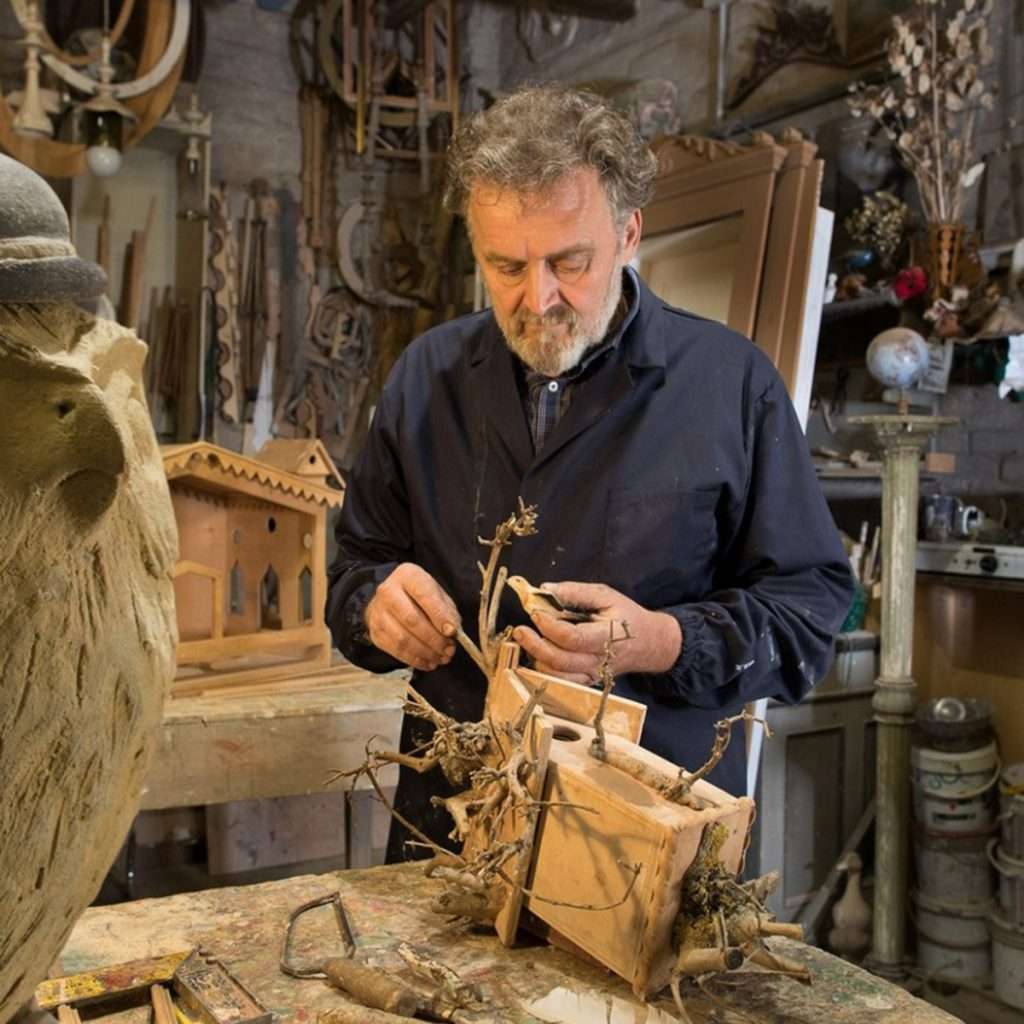
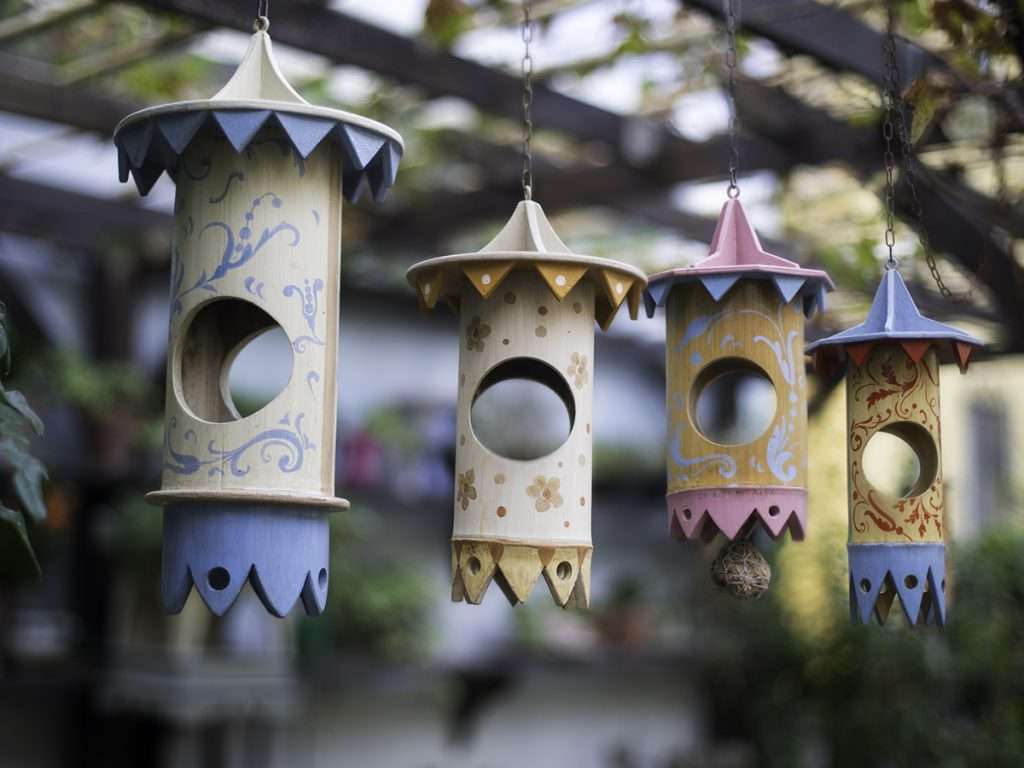
Credit: La Bottega di Betti
In Pietrasanta, Tuscany, Maurizio Betti continues his family’s carved-wood tradition, creating bespoke furniture, mirror frames, and restored antique pieces entirely by hand. Using traditional tools – gouges, mallets, planes – he coaxes intricate floral patterns and textural flourishes from blocks of walnut, lime and chestnut. His approach blends precision with emotion: every commission is a “collaboration with the wood itself”, honouring natural grain and imperfections rather than hiding them.
-
Sandro Tiberi – The quiet luxury of handmade paper
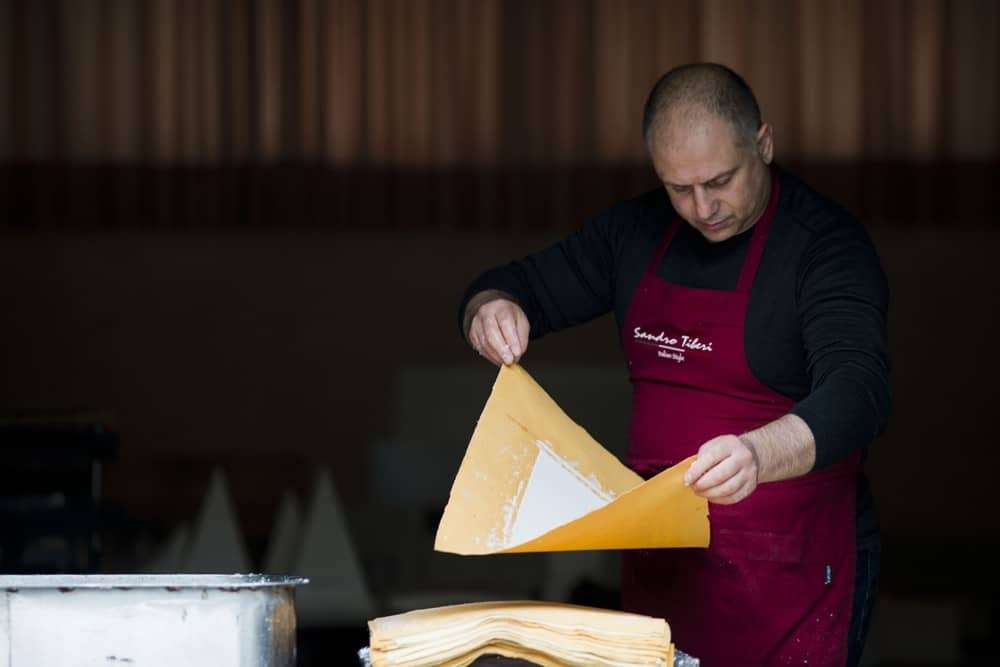
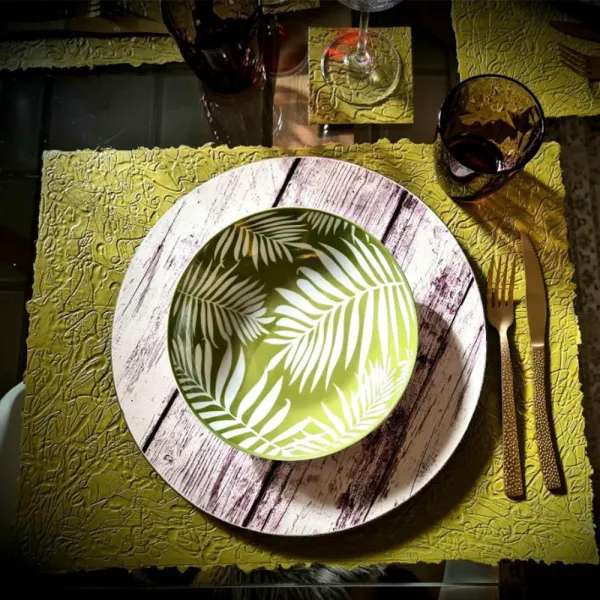
Credit: Sandro Tiberi
Based in Fabriano – a town synonymous with papermaking since the 1200s – Sandro Tiberi produces fine handmade sheets for calligraphers, artists, bookbinders and luxury packaging houses. His papers are organic, subtly textured and full of character. Using ancient techniques such as deckle moulding and natural fibres (including cotton, hemp and linen), Sandro creates tactile surfaces that evoke a slower time – where texture and touch matter just as much as appearance.
-
Maestri Maiolicari Faentini – The legacy of Faenza ceramic
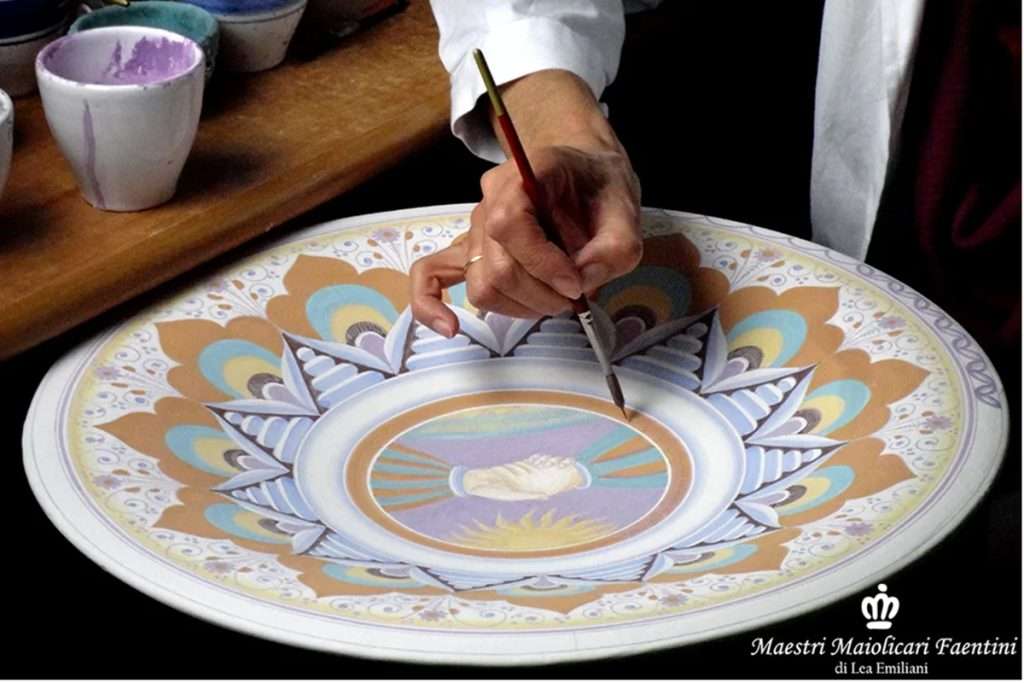
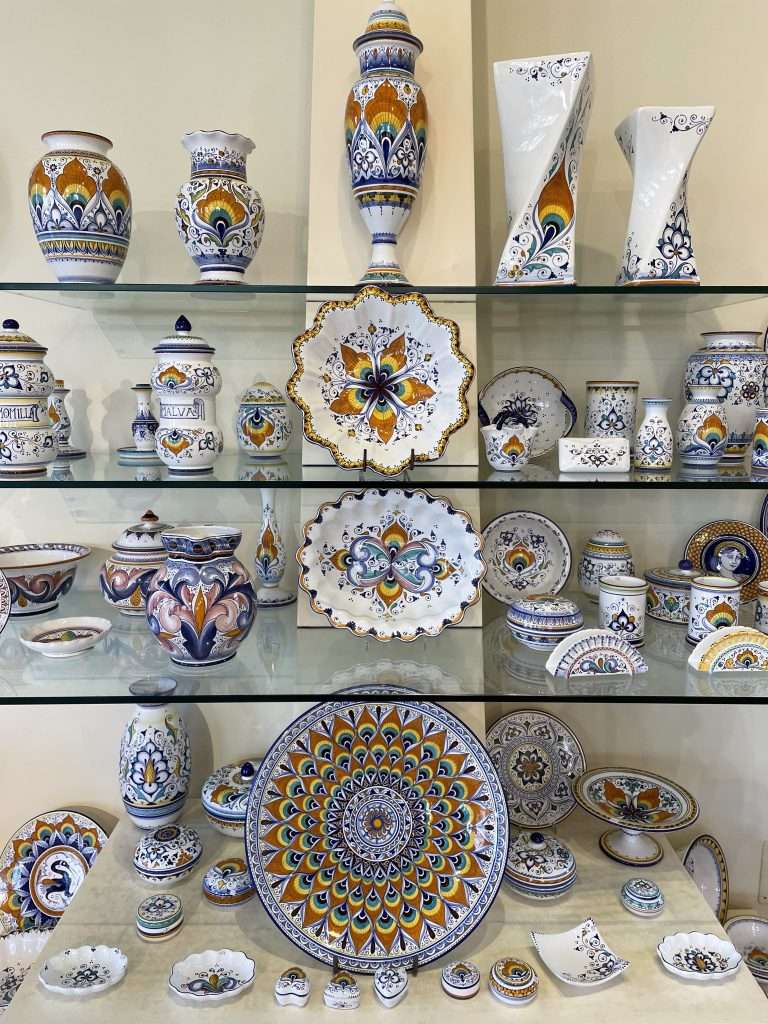
Credit: Maestri Maiolicari Faentini
In Faenza, the birthplace of “faience”, this atelier keeps alive the tradition of Renaissance-style maiolica: tin-glazed ceramic, richly painted with cobalt blue, iron red and golden ochre motifs. Each piece is hand-thrown, hand-painted and fired using heritage methods. The results feel both historic and enduringly vibrant. For design lovers drawn to colour and pattern, Maestri Maiolicari Faentini’s plates, tiles and vessels serve as timeless decorative accents infused with Italian history.
-
Lorenzo Pusterla – Marble as minimalist poetry

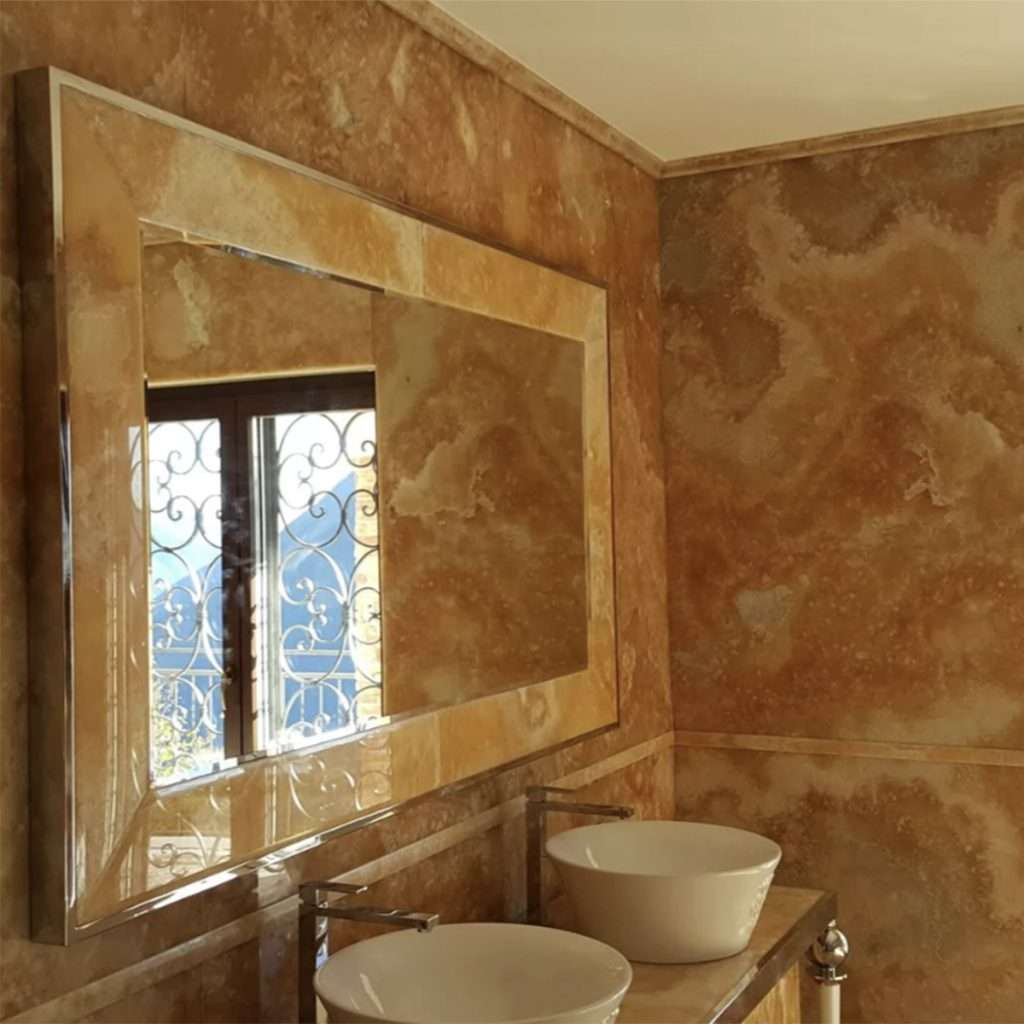
Credit: Pusterla Marmi
At Pusterla Marmi, located near Milan, marble artisan Lorenzo Pusterla sources slabs from Carrara, Calacatta and Arabescato quarries, transforming them into sleek furniture, basins, objects and interior surfaces. His work is defined by remarkable restraint – allowing the stone’s veining, translucency and weight to speak for themselves. Rather than carving ornate patterns, he focuses on elemental forms: pure cylinders, cubes and monoliths that feel both ancient and quietly contemporary.
-
Caco3 Studio – Modern mosaics with ancient roots
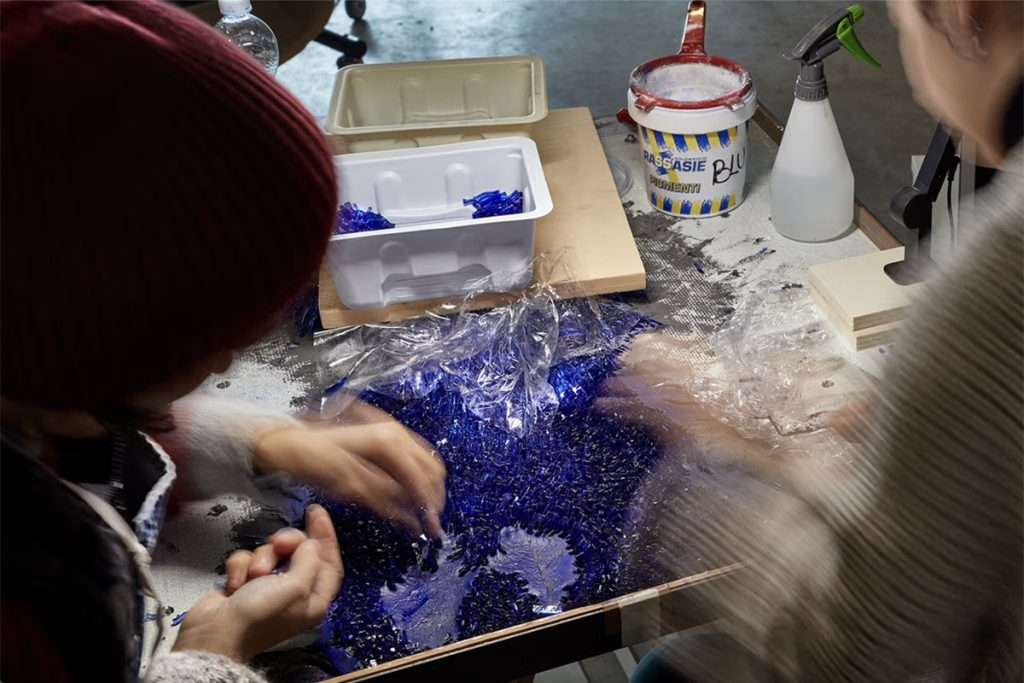
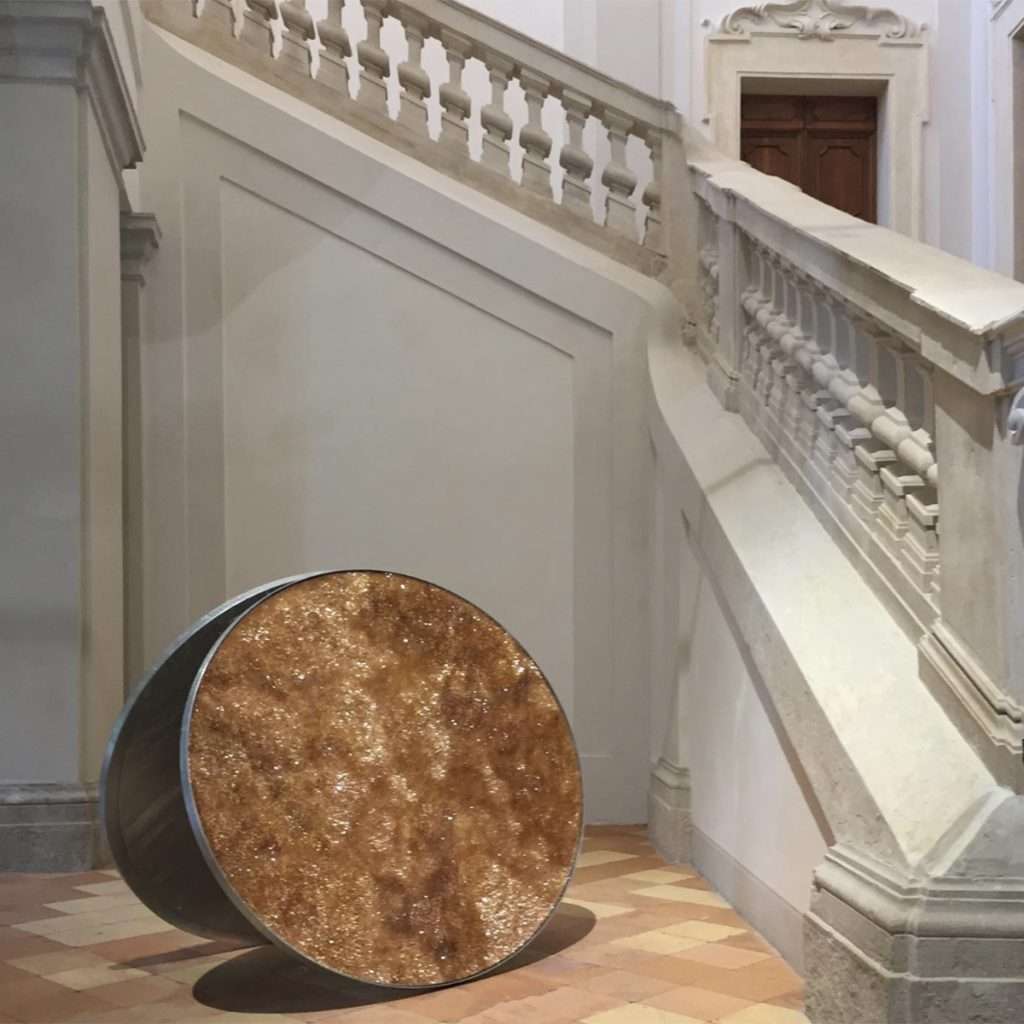
Credit: CaCO3 Studio
Founded by three artists in Ravenna – historic capital of Byzantine mosaic arts – CaCO3 Studio produces contemporary mosaics using tiny hand-cut smalti glass and marble tesserae. Their work spans large architectural commissions, experimental art panels and modern wall pieces, often playing with abstraction, irregular shapes and unexpected negative space. Each fragment is positioned by hand, creating pieces that shimmer, shift and catch the light – bringing mosaic firmly into the 21st century.
-
Meccani Design – Radical wood craftsmanship from Pisa
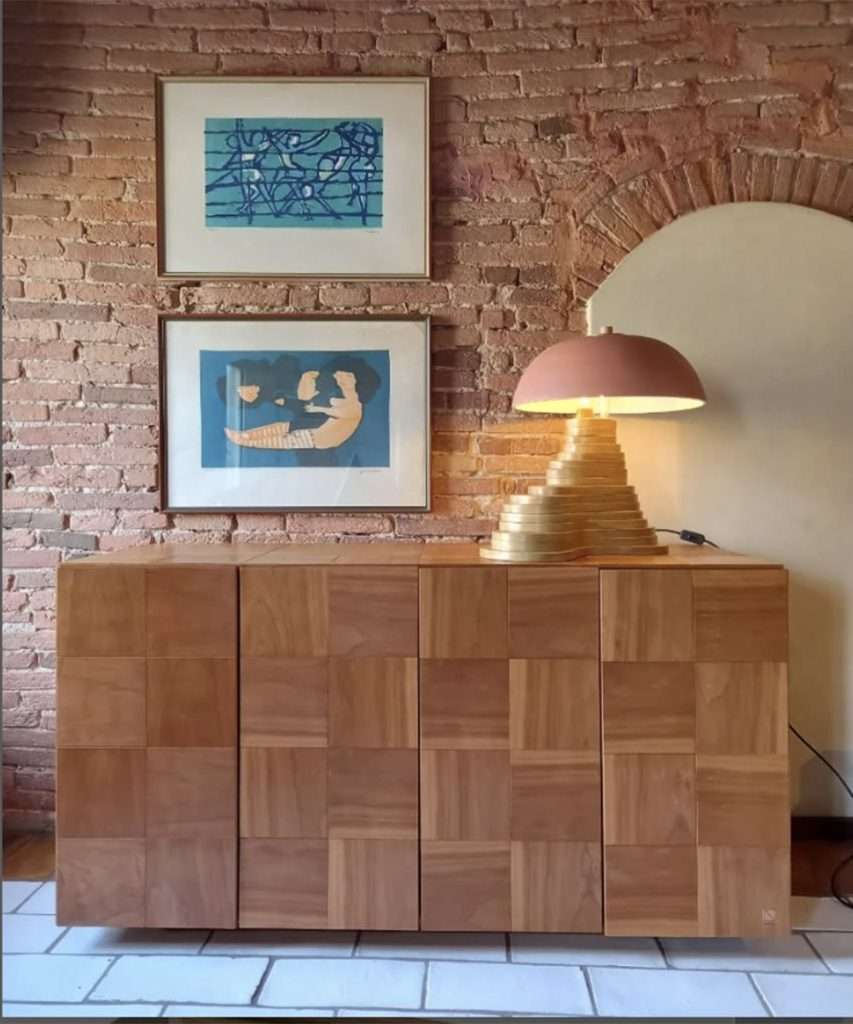
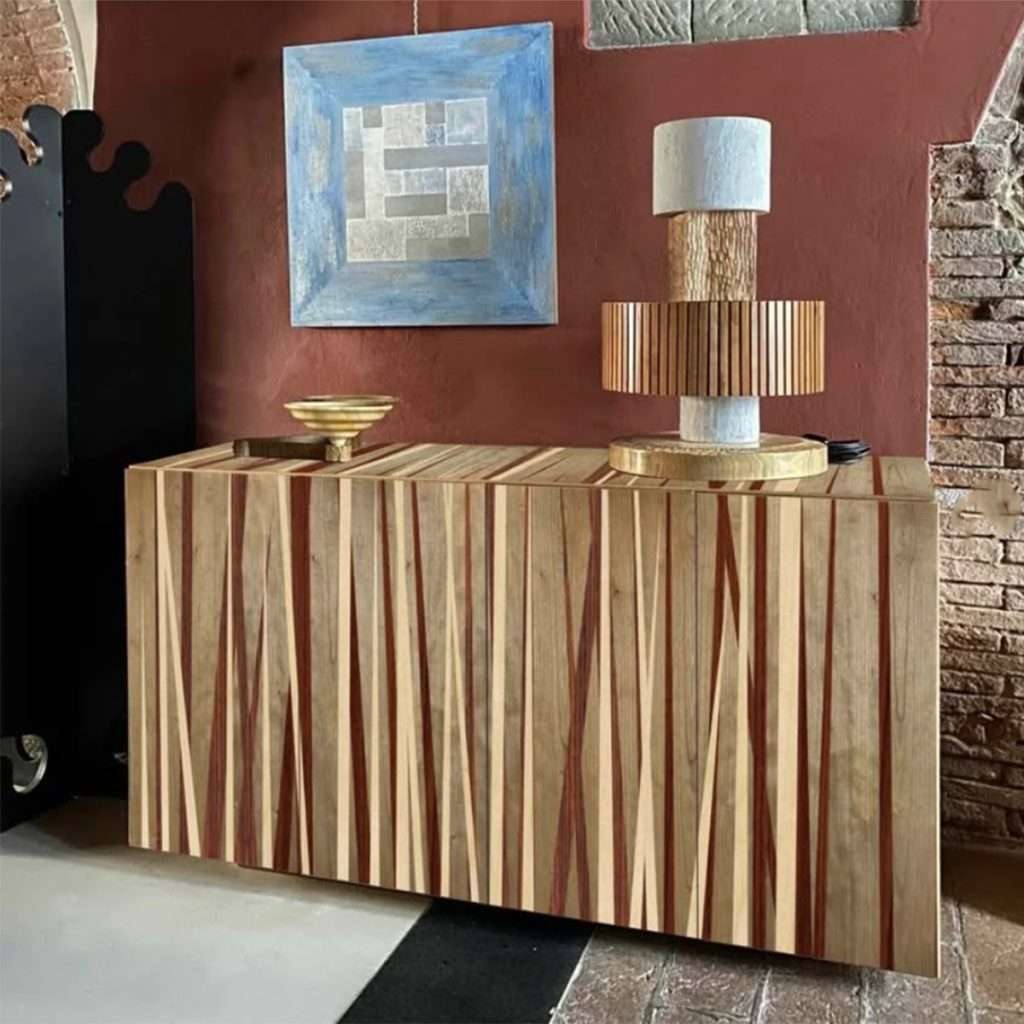
Credit: Meccani Design
Part design studio, part woodworking dynasty, Meccani Design emerged in the 1960s in Cascina (Pisa), where Giovanni and Rosaria Meccani began creating avant-garde furniture that bridged craftsmanship and Italian Radical Design. Today, the next generation continues their legacy – producing limited-edition chairs, cabinets and sculptural objects characterised by bold geometry, joint-based construction and meticulous hand finishing. Each piece is signed, numbered and entirely crafted in-house – making Meccani creations highly collectable to those in the know.
Why artisans still matter – and why they inspire us
Italian artisans represent more than nostalgia – they embody a conscious return to quality, individuality and meaning in a homogenised design world. Their workshops remind us that true luxury is time-intensive, that human skill leaves traces machines simply cannot replicate, and that local knowledge deserves to be protected. Whether carved in coral or chipped from marble, each of the artisans above proves that craftsmanship isn’t static – It evolves, responds, experiments and reinvents itself, generation after generation.
For designers, collectors and interiors lovers alike, supporting these makers means becoming part of their stories – and keeping Italian artisanal craftsmanship alive for the future.