

News
Sustainable Materials for a Thoughtful, Eco-Friendly Home
Oct
Why Material Choice Matters in Sustainable Interior Design
As awareness of environmental impact grows, homeware buyers are becoming more selective. Not just about how their interiors look, but about what they are made of.
Choosing sustainable materials is not a trend. It is a shift in values. It reflects a desire for transparency, durability, and respect for natural resources.
Material choice affects a product’s environmental footprint from production to disposal. How raw materials are harvested, how much energy is used in processing, whether chemicals are involved, and whether a product can biodegrade or be recycled all contribute to its overall impact.
In interiors, materials that are low-impact, durable, and responsibly sourced are key to sustainable design. They are often made in smaller batches, under fair working conditions, and without excessive processing. That usually means better quality and longer lifespan, reducing the need for replacements and waste.
Understanding materials is one of the most practical ways to create a home that lasts.
Six Sustainable Materials for Modern Homeware
-
European Linen (Flax)
Why it matters:
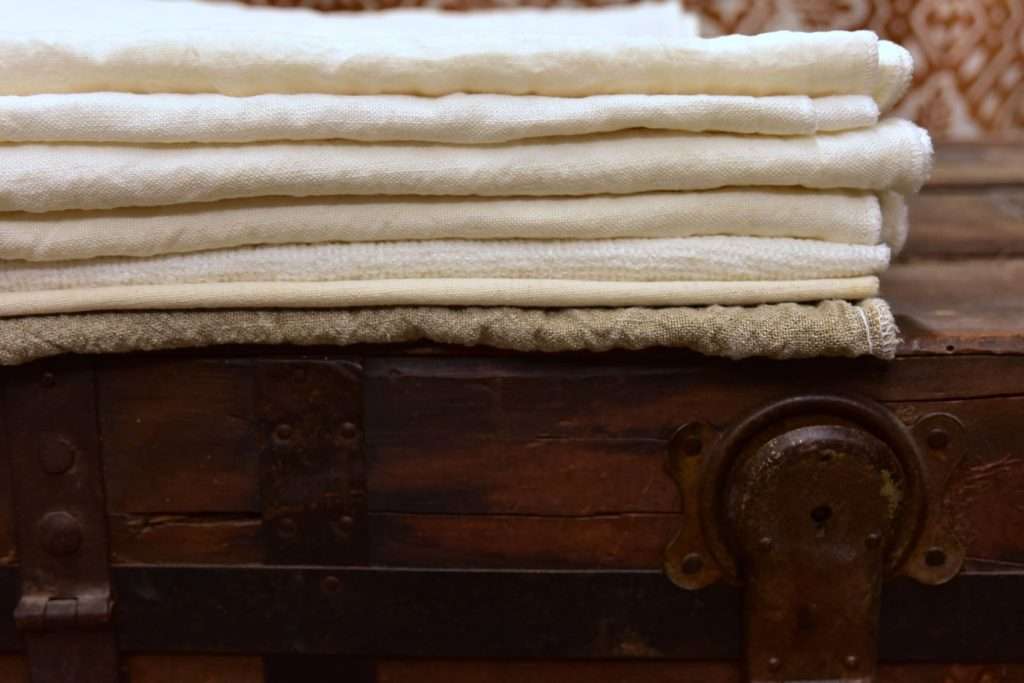
Linen made from flax is one of the most environmentally responsible textiles available. Flax requires less water than cotton, grows well without pesticides, and thrives in poor soil. Most of it is grown in Europe, reducing transport emissions when sourced locally.
In the home:
Linen is breathable, antimicrobial, and highly durable. It softens with use, making it ideal for tablecloths, napkins, curtains, and bed linens. Look for OEKO-TEX or European Flax certification for added assurance of responsible production.
Used by AllÓRA: See our Italian linen tableware
-
Mouth-Blown Recycled Glass
Why it matters:
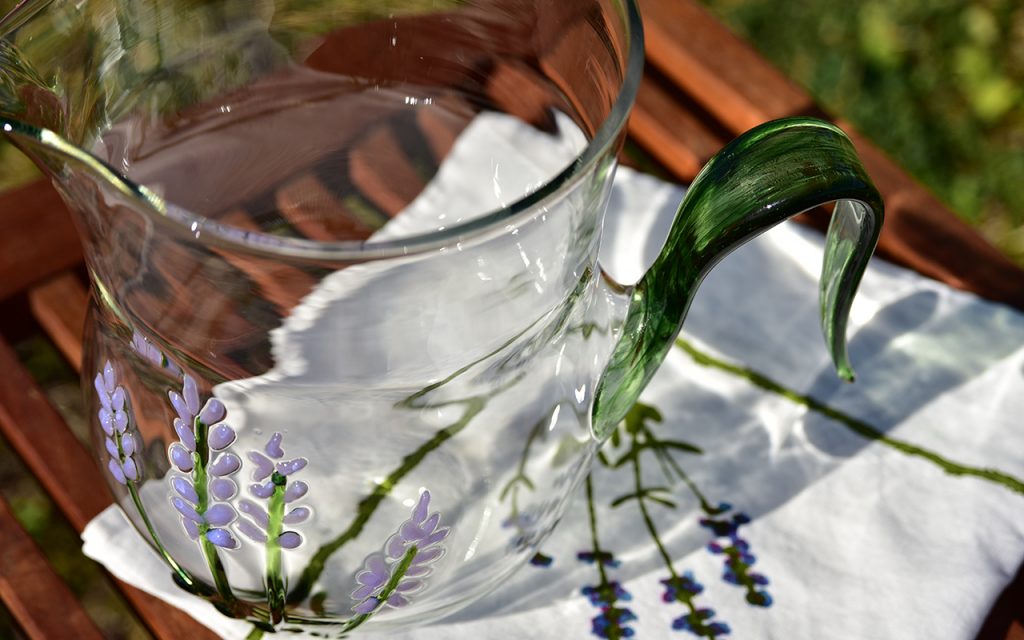
Glass is endlessly recyclable, and mouth-blown techniques require less machinery and energy than industrial processes. Recycled glass reduces the need for raw materials and keeps glass waste out of landfill.
In the home:
Recycled glass has texture and individuality. No two pieces are the same. It is ideal for drinkware, vases, and serving pieces. Because the process is manual, it also supports artisan communities.
External source: Learn about circular economy glass initiatives in Europe
-
Terracotta and Unglazed Ceramics
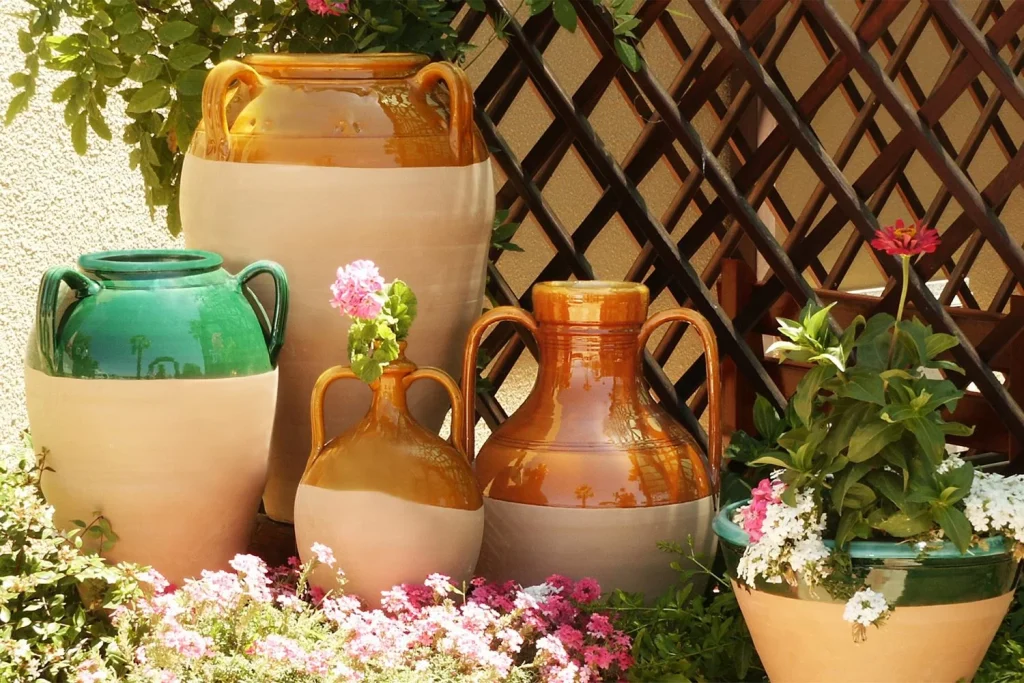
Credit: Ceramiche Benegiamo
Why it matters:
Terracotta is a natural, low-impact material made from clay. When unglazed or finished with non-toxic glazes, it remains highly sustainable. It is fired at lower temperatures than porcelain, reducing energy consumption.
In the home:
These ceramics are ideal for planters, cookware, and decorative pieces. Handmade terracotta brings warmth and depth to interiors, and its imperfections often speak to its handmade nature — not flaws, but signs of craft. Terracotta can also help regulate indoor humidity, adding comfort as well as beauty.
Note: If a piece breaks, fragments can be crushed and reused in landscaping or building aggregates.
-
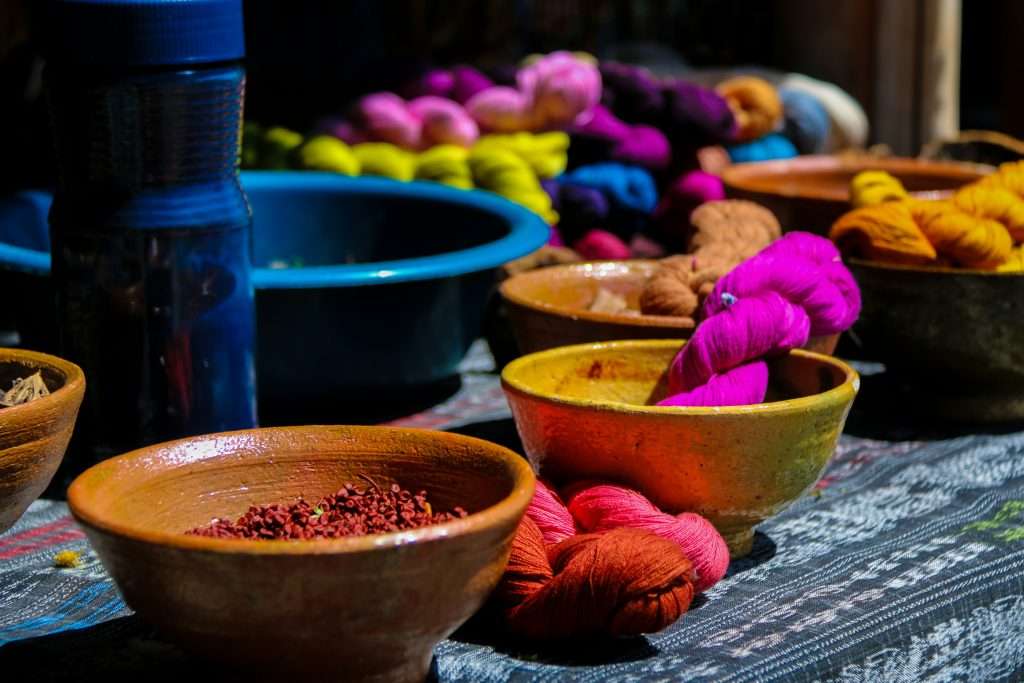
Natural Dyes and Plant-Based Inks
Why it matters:
Many synthetic dyes are petroleum-based and produce toxic wastewater. Natural dyes, made from roots, leaves, flowers, or minerals, significantly reduce chemical impact.
In the home:
Used for textiles such as table linens, throws, and cushions. Plant-based dyes create soft, earthy tones that fade naturally over time.
Certification: Learn more about GOTS (Global Organic Textile Standard)
-
FSC-Certified or Reclaimed Wood
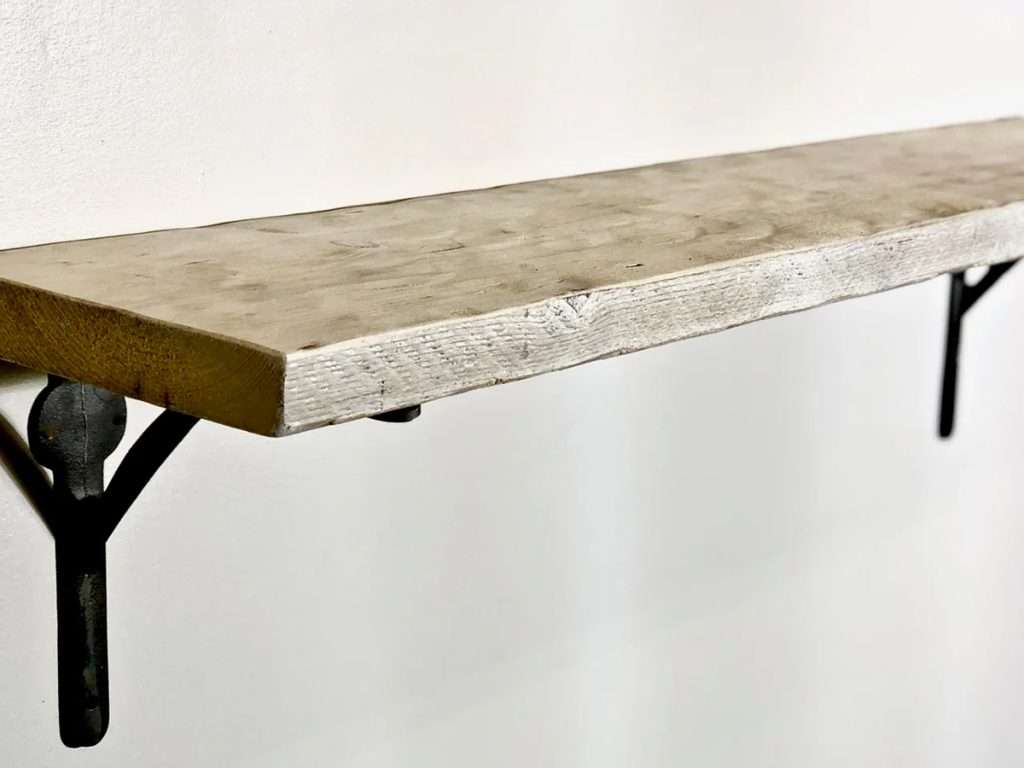
Credit: Lawson’s Yard
Why it matters:
The Forest Stewardship Council (FSC) certifies wood from responsibly managed forests. Reclaimed wood is salvaged from older structures and repurposed, saving energy and reducing demand for new timber.
In the home:
Serving boards, furniture, shelving, and wall panels made from either FSC-certified or reclaimed wood have a long lifespan and visual character. Signs of previous use often add charm and individuality.
Certification: Visit the FSC website
-
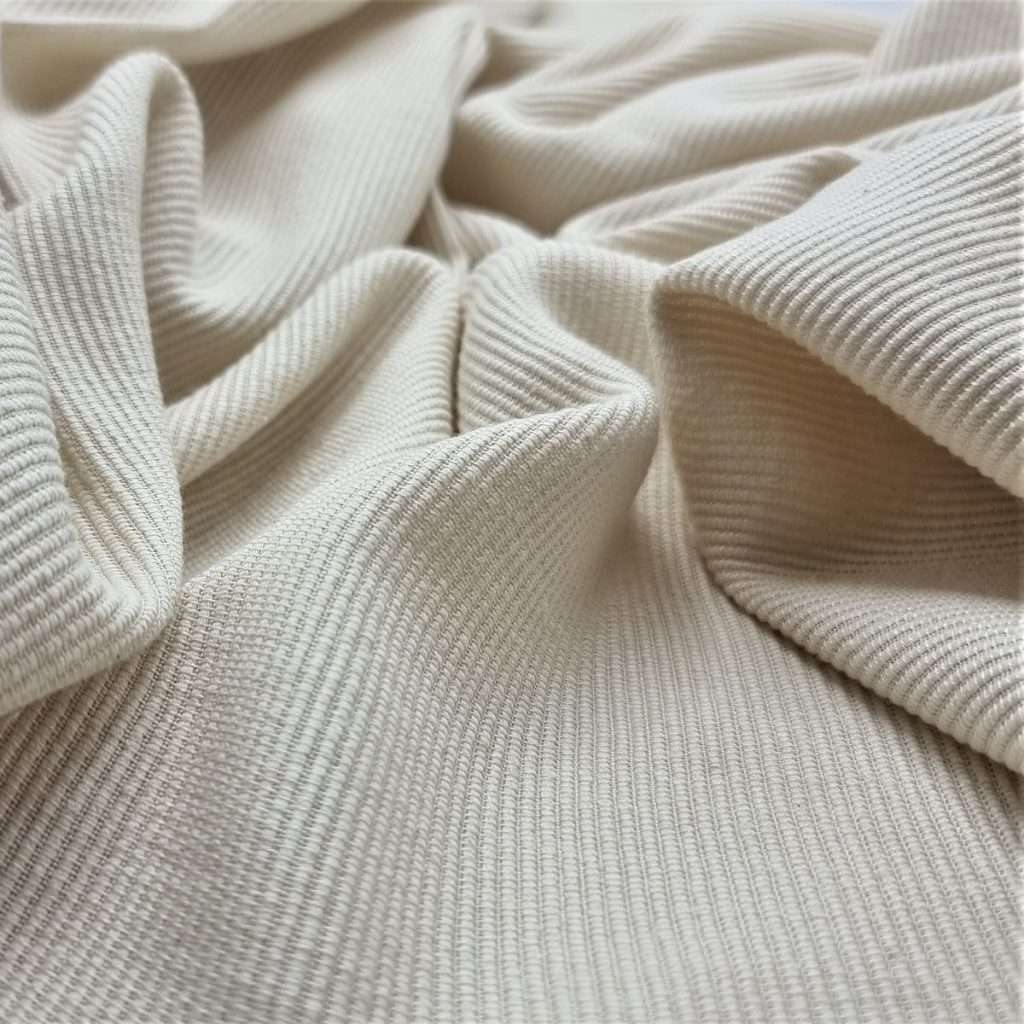
Organic Cotton (GOTS-Certified)
Why it matters:
Conventional cotton is water-intensive and pesticide-heavy. Organic cotton is grown without synthetic chemicals and often relies on rainwater for irrigation. GOTS certification ensures environmental and social responsibility from seed to fabric.
In the home:
Towels, napkins, and soft furnishings made from organic cotton are soft yet hard-wearing. They are breathable and gentle on sensitive skin.
Certification: Learn more about GOTS
The Role of Craftsmanship in Sustainable Design
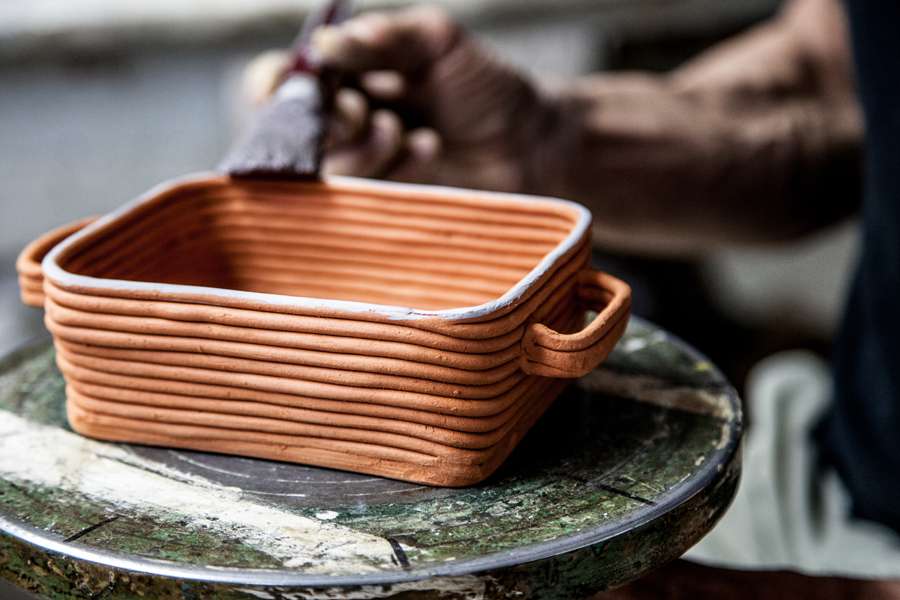 A product’s material is only part of the story. How it is made also matters. Artisan production, especially in small studios or family workshops, tends to have lower impact than industrial manufacturing. It avoids overproduction, reduces energy use, and preserves traditional knowledge.
Handmade items are also more likely to be repaired, kept, or passed on rather than discarded. The result is a product that lasts longer, feels more personal, and carries the maker’s story.
At AllÓRA, we collaborate with Italian artisans who share these values, working with natural materials and ethical, small-scale methods.
Discover how our pieces are made
How to Choose More Responsibly
You do not need to overhaul your entire home to make better choices. Start small and ask the right questions when shopping for homeware:
- What is it made of? Choose natural or recycled materials.
- Where is it made? European or local production often means better labour standards and lower transport impact.
- Is it certified? Labels such as GOTS, OEKO-TEX, and FSC offer clearer transparency.
- Who made it? Artisan-made pieces are often lower-volume and ethically produced.
Even small changes, such as switching to natural linens or choosing handmade ceramics, can make a lasting difference.
Final Thoughts
Choosing sustainable materials is not only about reducing waste or emissions. It is about building a home that reflects integrity, care, and longevity. It means supporting skilled makers and rejecting disposable design.
Most importantly, it is about making informed, intentional choices, one item at a time.
Explore more articles on craftsmanship and sustainable design