


News
Timeless Elegance: Exploring the Rich Heritage of Italian Craftsmanship in Tableware and Dining Culture

Nov
Step into a world where artistry meets tradition, and every meal becomes a masterpiece. Italian craftsmanship in tableware is a symphony of elegance and rich heritage that has evolved over centuries. From the exquisite hand-painted ceramics of Deruta to the refined glassworks of Murano, each piece tells a story steeped in culture and passion. Dining in Italy is more than just a meal; it’s an invitation to celebrate life’s moments with beautifully crafted items that evoke a sense of timeless elegance. In this exploration, we’ll uncover the intricate techniques that have been passed down through generations and reveal how these artisanal treasures transform the dining experience into an art form. Join us as we journey through Italy’s vibrant tableware traditions and immerse ourselves in the enchanting dining culture that has captivated hearts around the globe.
Historical Overview of Italian Tableware
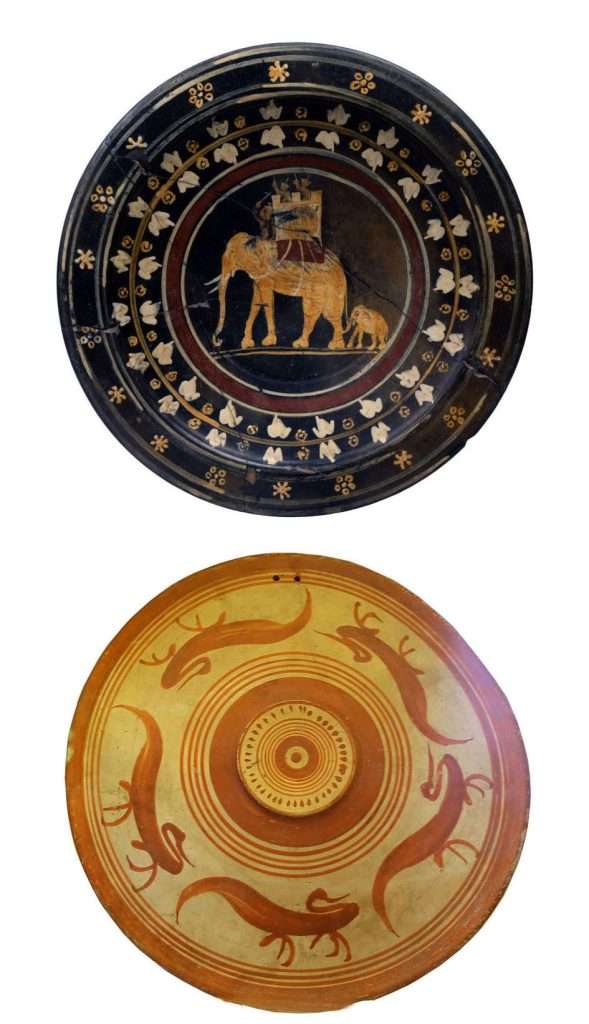
Credit: Museo Nazionale Etrusco
Italy’s rich tradition of tableware craftsmanship can be traced back to ancient times, with roots embedded in the sophisticated cultures of the Etruscans, Romans, and Byzantines. These early civilizations laid the foundations for a culture that places great value on the artistry and functionality of everyday objects. The Etruscans, known for their metalwork and ceramics, created beautifully ornate pieces that were both practical and decorative. The Romans further enhanced these techniques, introducing innovations in glassmaking and expanding the use of ceramics for both daily use and ceremonial purposes.
During the Renaissance, Italian tableware reached new heights of sophistication and elegance. This period saw the flourishing of majolica, a tin-glazed pottery that became a hallmark of Italian craftsmanship. Cities like Faenza and Deruta became renowned for their vibrant, hand-painted ceramics that depicted intricate scenes from mythology, history, and nature. These pieces were not only functional but also served as status symbols, showcasing the wealth and taste of their owners.
The Baroque and Rococo periods further enriched Italian tableware traditions, with artisans experimenting with more elaborate designs and incorporating precious materials such as gold and silver. The influence of the Medici family and other powerful patrons led to the establishment of workshops that produced exquisite tableware for the European elite. This historical journey through Italian craftsmanship highlights a continuous evolution driven by a deep appreciation for beauty, quality, and tradition.
Key Materials Used in Italian Tableware

Credit: Marinoni Peltro
Italian tableware is renowned for its diverse use of materials, each contributing to the unique characteristics and aesthetic appeal of the pieces. Ceramics, glass, and metals are the primary materials that have defined Italian tableware through the ages, each embodying a rich heritage and a distinct set of techniques.
Ceramics, particularly majolica and porcelain, are perhaps the most iconic materials in Italian tableware. Majolica, with its vibrant colours and glossy finish, has been a staple since the Renaissance. The intricate hand-painted designs often depict pastoral scenes, mythological figures, and floral patterns, making each piece a work of art. Porcelain, though introduced later, brought a new level of refinement and delicacy to Italian tableware, with its smooth, translucent quality prized by collectors and connoisseurs.
Glass has also played a significant role in Italian tableware, with the island of Murano near Venice becoming synonymous with exquisite glassmaking. Murano glass is celebrated for its exceptional clarity, vibrant colours, and innovative designs. Techniques such as millefiori, where glass rods are fused into intricate patterns, and filigree, which involves embedding delicate threads of glass within a piece, have made Murano glass highly sought after worldwide.
Metals, including silver, gold, and pewter, have been used to create luxurious tableware that often features intricate engravings and embossing. Italian silversmiths and goldsmiths have a long history of excellence, producing pieces that are both functional and opulent. These materials, combined with the skill and creativity of Italian artisans, result in tableware that is not only practical but also a testament to Italy’s enduring legacy of craftsmanship.
The Influence of Regional Styles on Italian Dining Culture
Italy’s diverse regions each have their own unique contributions to the country’s tableware and dining culture, reflecting local traditions, resources, and artistic influences. This regional diversity adds a rich tapestry of styles and techniques that make Italian tableware so captivating.
In Tuscany, for example, the town of Deruta is famous for its hand-painted ceramics. The distinctive Deruta style features intricate patterns and vibrant colours, often with a characteristic blue and yellow palette. These ceramics are not just decorative; they are integral to the Tuscan dining experience, used for serving everything from antipasti to dolci. The artistry of Deruta ceramics enhances the rustic yet refined ambiance of Tuscan cuisine.
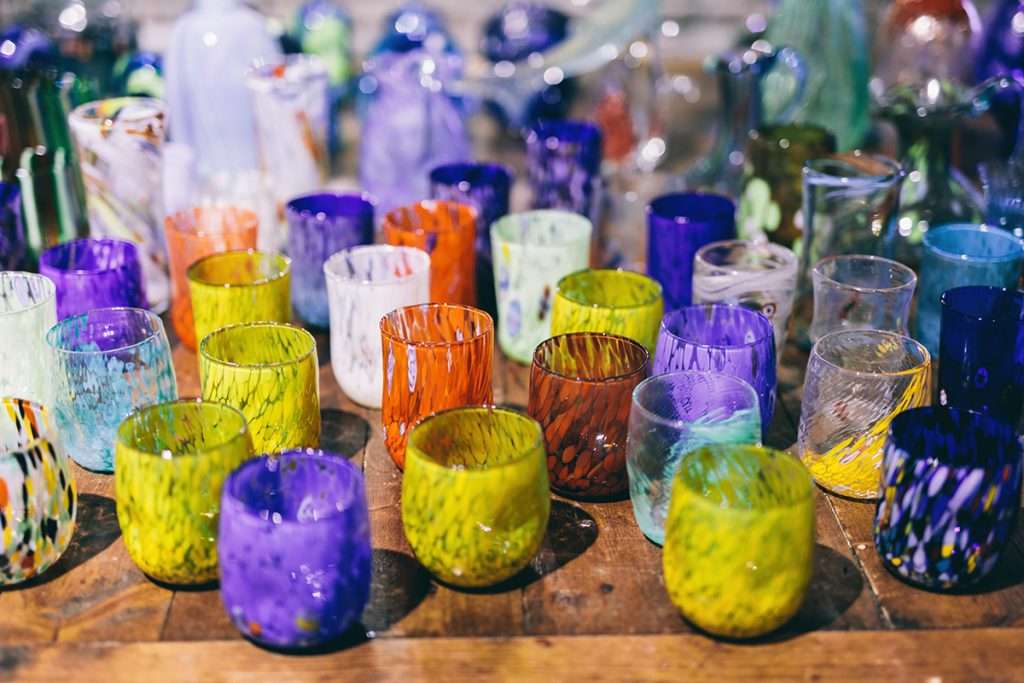
In the northern region of Veneto, the island of Murano stands out for its glassmaking heritage. Murano glassware, with its dazzling array of colours and shapes, is a hallmark of Venetian dining culture. The elaborate glass pieces, from intricate chandeliers to delicate drinking glasses, reflect the opulence and grandeur of Venice’s historical significance as a trading hub. The use of Murano glass in dining settings adds a touch of elegance and sophistication, elevating the overall dining experience.
The southern region of Campania, particularly the Amalfi Coast, is known for its vibrant ceramics that capture the essence of Mediterranean life. The bright, sunny colours and motifs of lemons, flowers, and sea creatures are a tribute to the region’s natural beauty and coastal charm. These ceramics are a common feature in local dining, where they bring a sense of warmth and joy to every meal, reflecting the celebratory spirit of Southern Italian culture.
Iconic Italian Tableware Brands and Artisans

Credit: Ginori 1735
Italy is home to numerous iconic tableware brands and artisans whose work has set the standard for excellence and innovation in the field. These brands and individuals continue to uphold the traditions of Italian craftsmanship while also pushing the boundaries of design and functionality.
One of the most renowned names in Italian tableware is Richard Ginori, a company with roots dating back to 1735. Known for its exquisite porcelain, Richard Ginori has a reputation for combining traditional craftsmanship with modern design. The brand’s pieces are characterized by their elegant forms, intricate patterns, and vibrant colours, making them a favourite among collectors and design enthusiasts.
Another iconic brand is Alessi, which has become synonymous with contemporary Italian design. Founded in 1921, Alessi collaborates with some of the most talented designers and architects from around the world to create innovative and stylish tableware. The brand’s commitment to quality and creativity has resulted in a wide range of products that are both functional and artistic, from sleek cutlery sets to whimsical tea kettles.
In the realm of glassmaking, the Seguso family of Murano has been at the forefront of the craft for over 600 years. The Seguso name is associated with some of the most beautiful and technically complex glass pieces ever created. Their work spans traditional Venetian styles to contemporary designs, showcasing a mastery of glassmaking techniques that have been refined over generations.
These brands and artisans represent the pinnacle of Italian tableware craftsmanship, each contributing to the rich legacy of Italian design and culture. Their work continues to inspire and influence the world of tableware, ensuring that the tradition of Italian elegance remains timeless.
The Role of Tableware in Italian Culinary Traditions
In Italy, tableware is more than just a functional aspect of dining; it is an integral part of the culinary experience. The presentation of food is given as much importance as its preparation, and beautifully crafted tableware plays a crucial role in enhancing the overall enjoyment of a meal.
Italian culinary traditions emphasize the use of fresh, high-quality ingredients, and the same principle applies to tableware. The use of hand-painted ceramics, elegant glassware, and finely crafted cutlery adds a sense of ceremony to every meal. Whether it’s a simple family dinner or a grand celebration, the choice of tableware reflects the host’s attention to detail and appreciation for beauty.
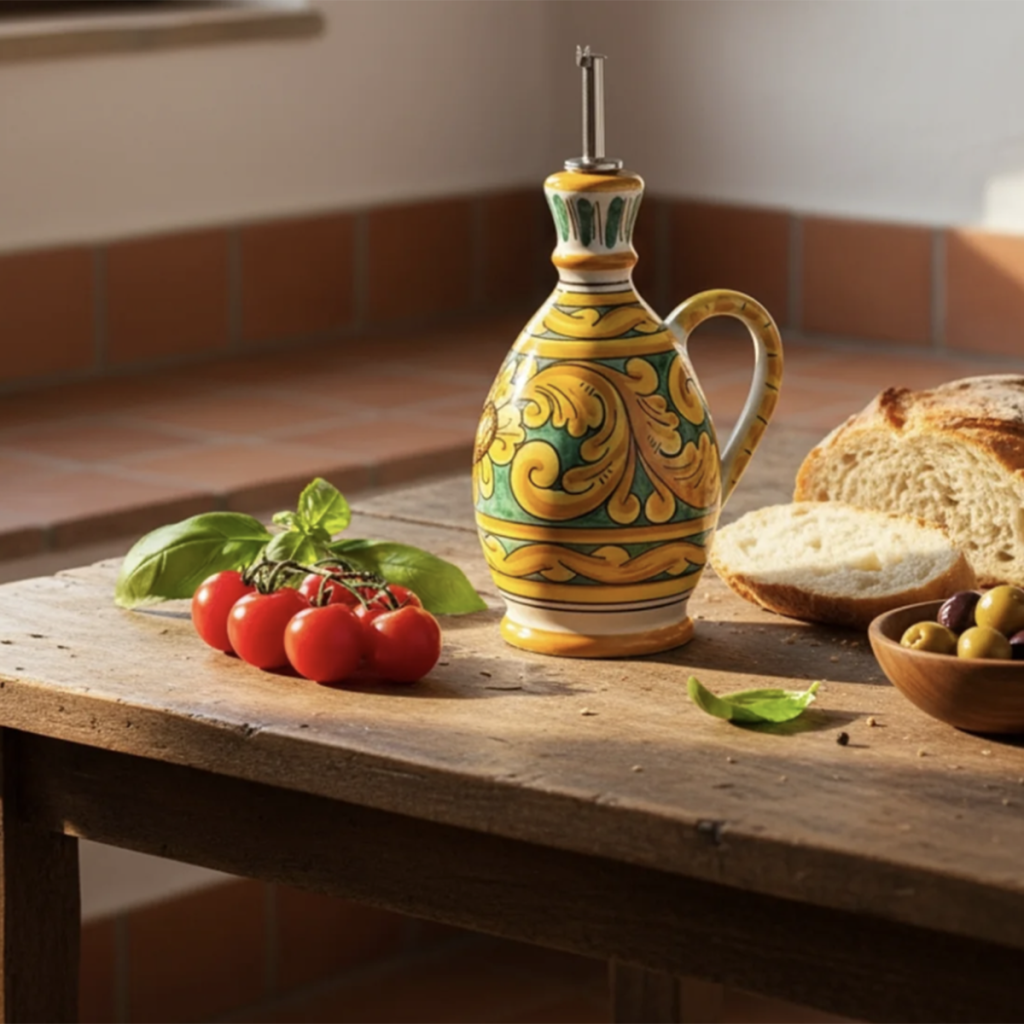
Credit: Ceramiche Siciliane
The design and decoration of Italian tableware often complement the dishes being served. For example, the vibrant colours and intricate patterns of majolica plates are perfectly suited for showcasing the rich, flavourful dishes of Italian cuisine. The use of specific tableware for different courses, such as antipasti platters, pasta bowls, and dessert plates, demonstrates a deep respect for the dining ritual and the significance of each stage of the meal.
Moreover, Italian tableware is often passed down through generations, becoming cherished family heirlooms that carry sentimental value. The use of these pieces in family gatherings and celebrations adds a layer of tradition and continuity, connecting the present with the past. This deep-rooted connection between tableware and culinary traditions underscores the importance of dining as a communal and celebratory experience in Italian culture.
Modern Innovations in Italian Tableware Design

Kitsungi Collection by Stamperia Bertozzi
While Italian tableware is steeped in tradition, it is also a field that embraces innovation and contemporary design. Modern Italian designers and brands are constantly exploring new materials, techniques, and aesthetics to create tableware that meets the needs and tastes of today’s consumers.
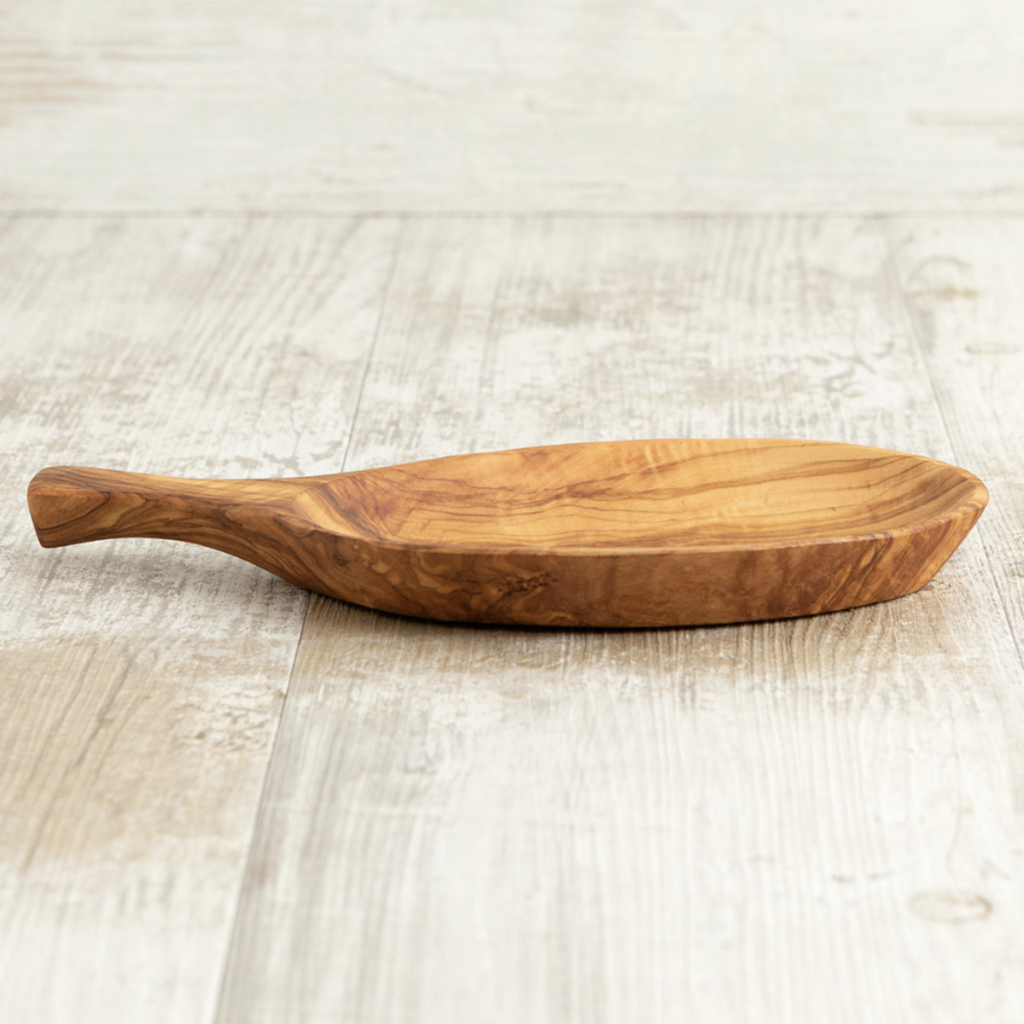
Credit: Arte legno
One notable trend in modern Italian tableware design is the use of sustainable and eco-friendly materials. Designers are increasingly aware of the environmental impact of their work and are experimenting with alternative materials such as recycled glass, biodegradable ceramics, and sustainably sourced wood. This commitment to sustainability is reflected in the design and production processes, resulting in tableware that is both beautiful and environmentally responsible.
Another area of innovation is in the fusion of traditional craftsmanship with modern technology. Digital printing, for example, allows for intricate and precise patterns to be applied to ceramics and glass, expanding the possibilities for customization and personalization. 3D printing is also being explored as a way to create unique and complex forms that would be difficult to achieve through traditional methods.
Contemporary Italian tableware design often features minimalist and geometric forms, with an emphasis on clean lines and functional elegance. Brands like Seletti and Bitossi Home are known for their playful and avant-garde designs that challenge conventional notions of tableware. These modern pieces often incorporate elements of humor and whimsy, making them conversation starters at any dining table.
These innovations demonstrate that Italian tableware continues to evolve, blending the best of tradition and modernity to create pieces that are relevant and inspiring for today’s dining culture.
Tips for Incorporating Italian Elegance into Your Dining Experience
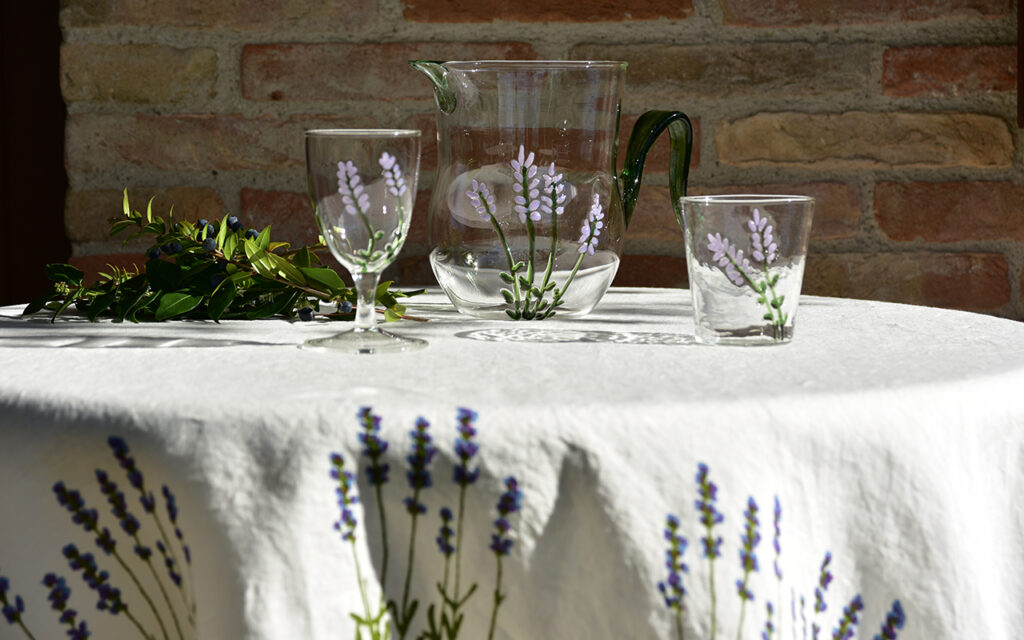
Bringing the timeless elegance of Italian tableware into your own dining experience can elevate everyday meals and special occasions alike. Here are some tips to help you incorporate Italian craftsmanship and style into your dining setup.
First, invest in high-quality pieces that reflect the beauty and tradition of Italian tableware. Look for hand-painted ceramics, Murano glassware, and finely crafted cutlery from reputable brands and artisans. These pieces may come with a higher price tag, but their durability and timeless appeal make them worthwhile investments that can be enjoyed for years to come.
Next, consider the overall aesthetic and ambiance of your dining space. Italian dining culture is about creating a warm and inviting atmosphere where guests feel welcomed and appreciated. Choose tableware that complements your existing decor and adds a touch of elegance and charm. Incorporate elements such as linen napkins, decorative chargers, and fresh flowers to enhance the presentation and make every meal feel special.
When setting the table, pay attention to the details. Use different types of tableware for different courses, such as antipasti platters, pasta bowls, and dessert plates. This not only adds a sense of occasion but also shows your guests that you have thoughtfully considered every aspect of the dining experience. Arrange the tableware neatly and symmetrically, and don’t be afraid to mix and match patterns and colours for a more eclectic and personalized look.
Finally, embrace the Italian philosophy of enjoying meals as a communal and celebratory experience. Take the time to savour each dish, and encourage conversation and connection around the table. The use of beautifully crafted tableware enhances the sensory experience of dining, making every meal a memorable and cherished occasion.
The Global Impact of Italian Tableware and Dining Culture
The influence of Italian tableware and dining culture extends far beyond the borders of Italy, resonating with people around the world who appreciate the artistry, tradition, and elegance that define Italian craftsmanship. This global impact is evident in the widespread popularity of Italian tableware brands and the incorporation of Italian dining principles into various culinary traditions.

Credit: Alessi
Italian tableware has become a symbol of quality and sophistication, with brands like Richard Ginori, Alessi, and Murano glassmakers being highly regarded on the international stage. These brands have found their way into the homes of design enthusiasts and collectors worldwide, further cementing Italy’s reputation as a leader in the field of artisanal craftsmanship. The export of these exquisite pieces has helped to promote Italian culture and heritage, making Italian tableware a sought-after commodity in luxury markets.
The principles of Italian dining culture, such as the emphasis on fresh, high-quality ingredients and the importance of communal meals, have also been embraced globally. The concept of “slow food,” which originated in Italy, advocates for a return to traditional, sustainable, and mindful eating practices. This philosophy has inspired a global movement that values the joy of eating and the connections fostered around the dining table. Italian dining culture’s focus on the experience of food, rather than just its consumption, has resonated with people seeking more meaningful and enjoyable culinary experiences.
Moreover, Italian tableware and dining culture have influenced contemporary design and lifestyle trends. The elegance and artistry of Italian tableware have inspired designers and brands in other countries to adopt similar principles in their work. The Italian approach to dining, with its emphasis on hospitality and celebration, has also influenced how people around the world entertain and enjoy meals with family and friends.
The global impact of Italian tableware and dining culture is a testament to the enduring appeal and relevance of Italian craftsmanship. It highlights the universal appreciation for beauty, tradition, and the art of dining, underscoring the timeless elegance that Italy continues to contribute to the world.
Conclusion: Celebrating Italian Craftsmanship and Its Legacy
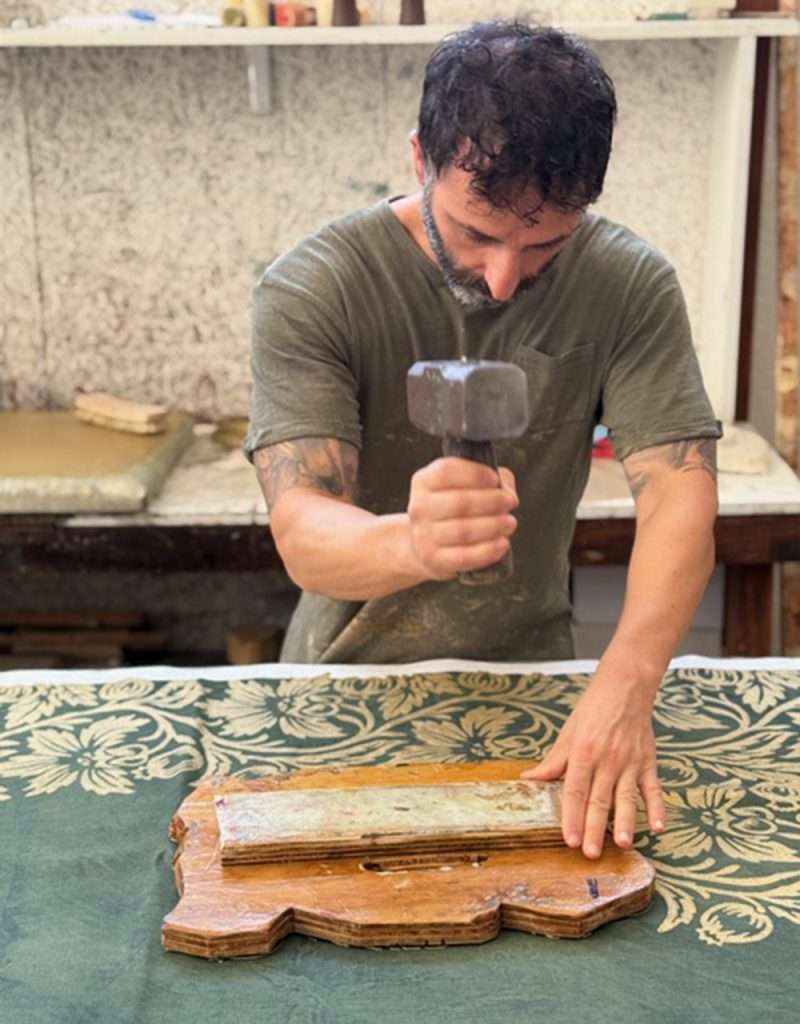
Italian craftsmanship in tableware and dining culture is a profound reflection of the country’s history, artistry, and passion for life. From the ancient techniques of the Etruscans and Romans to the vibrant majolica of the Renaissance and the exquisite Murano glass of Venice, each piece of Italian tableware tells a story of tradition and innovation. The meticulous attention to detail, the use of high-quality materials, and the dedication to beauty and functionality are hallmarks of Italian craftsmanship that have stood the test of time.
As we have explored, the influence of regional styles, the contributions of iconic brands and artisans, and the role of tableware in Italian culinary traditions all contribute to a rich and diverse heritage. Modern innovations continue to push the boundaries of design and sustainability, ensuring that Italian tableware remains relevant and inspiring for future generations.
Incorporating Italian elegance into your dining experience is a way to honour this legacy and bring a touch of timeless beauty into your everyday life. Whether through the careful selection of artisanal pieces, the creation of a welcoming dining atmosphere, or the celebration of meals as communal and joyful occasions, you can embrace the Italian philosophy of dining with elegance and grace.
The global impact of Italian tableware and dining culture is a testament to the universal appeal of Italy’s craftsmanship and the enduring legacy of its dining traditions. As we celebrate this rich heritage, we recognize that Italian tableware is more than just functional objects; it is an art form that enhances our lives and connects us to a tradition of excellence and elegance that transcends time and place.