

News
Vintage Table Linens: From Antique Weaves to Modern Tables
Nov
A Living Story in Every Thread
Vintage table linens hold something that modern fabrics rarely do – the weight of memory. Soft from decades of use, faded in the right places, and often marked by tiny imperfections, they carry the rhythm of everyday life from another time. Each fold, weave, and stitch tells a story of craft and care, linking generations through something as simple as a meal shared around a table.
Before textiles became industrial products, they were expressions of time and skill. Families wove their own linens from flax or hemp, embroidered them by hand, and passed them down as heirlooms. These were not just household goods; they were symbols of continuity and pride.
Today, as we rediscover the charm of vintage and antique linens — from rustic hemp runners to lace tablecloths and hand-embroidered tea towels – we also rediscover the idea that beauty can be both functional and lasting.
The Origins of Linen and Its Place at the Table
 The story begins with flax, one of the oldest cultivated plants in human history. Ancient Egyptians wrapped mummies in linen, the Greeks and Romans used it for garments, and by the Middle Ages, it had become a cornerstone of European domestic life. Linen was valued for its strength, breathability, and subtle lustre.
In Italy, France, and Belgium, flax fields once covered wide valleys and plains. Weaving was part of family life: women spun the thread and wove the fabric, while men built and maintained the looms. Linen production reached its height in the 18th and 19th centuries, when entire towns became known for their distinct weaving styles.
These handwoven linens were used for everything — bedding, clothing, curtains, and, of course, tablecloths. Setting the table with linen became a sign of care and civility. A crisp, white cloth marked the difference between an ordinary meal and a shared occasion. Even the simplest homes kept their best linens for Sundays and holidays, washed, pressed, and stored in cedar chests to protect them for years to come.
The Craft of Handweaving and the Soul of Imperfection
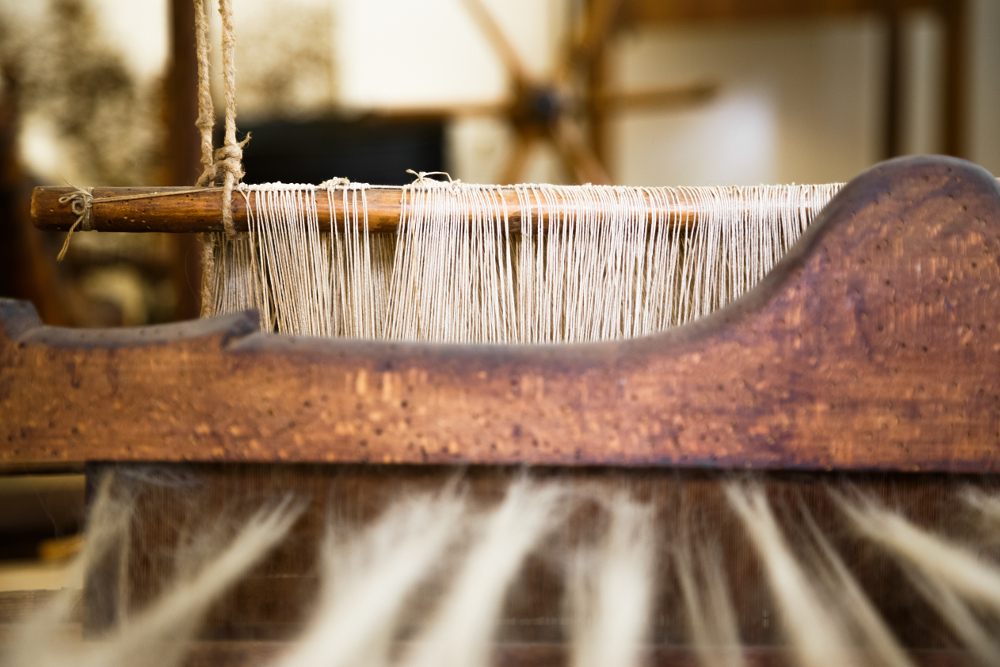 Every vintage linen carries traces of its maker’s hand. Before industrial looms standardised production, fabric was woven thread by thread. The weaver controlled tension by feel, counted warp and weft by sight, and worked for hours to achieve a uniform surface. Yet perfection wasn’t the goal — longevity and honesty were.
This is why vintage tablecloths and tea towels often have tiny variations in pattern or thickness. These irregularities are not flaws but signs of human work. They remind us that someone, decades or even a century ago, sat at a wooden loom and made something meant to last.
Hemp and flax, the most common natural fibres used, gave the cloth remarkable strength. Hemp in particular produced a thicker, slightly coarser weave that could endure heavy washing and daily use. Even after a hundred years, vintage hemp linen retains its structure — a testament to natural materials and craftsmanship that expected endurance, not obsolescence.
From Utility to Artistry: Tablecloths and Tea Towels
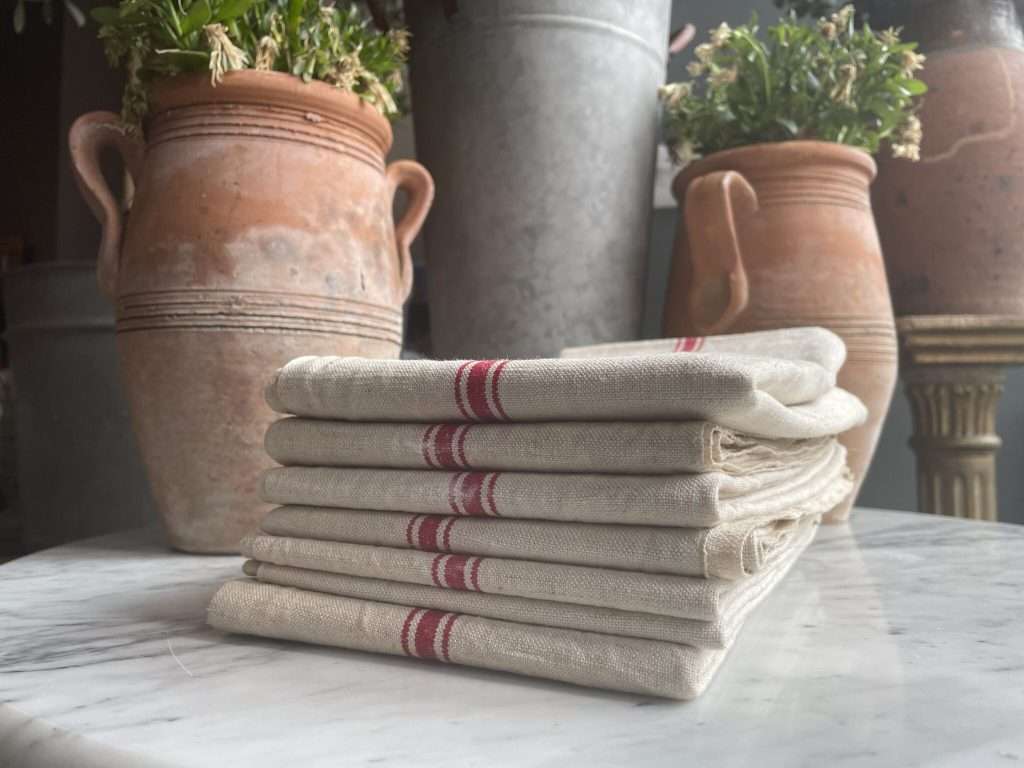
Credit: Brocante At No.45
In the 19th century, as household textiles became more decorative, the everyday tea towel and tablecloth evolved into canvases for artistic expression.
Tea towels, once simple rectangles of linen, were personalised with stripes, initials, or embroidery. Families used red or blue threads to mark ownership and add a touch of individuality. Antique tea towels made from pure linen are now sought after not just as collectibles, but as reminders of domestic grace – the quiet beauty of daily rituals.
At the same time, tablecloths grew grander. Formal dining demanded larger, more elaborate fabrics, often trimmed with lace or embroidered edges. In Italy, lace tablecloths became a particular point of pride, especially those made in Venice and Burano. The fine threads and delicate motifs captured a sense of refinement that elevated the entire table setting.
Whether a simple hemp cloth in a farmhouse or a lace masterpiece in a city villa, these linens transformed meals into experiences. They framed the act of dining – an expression of family, generosity, and celebration.
Textile Traditions Across Europe

Credit: Raffaella Pritelli
Each country in Europe developed its own textile language, shaped by local materials, tools, and customs.
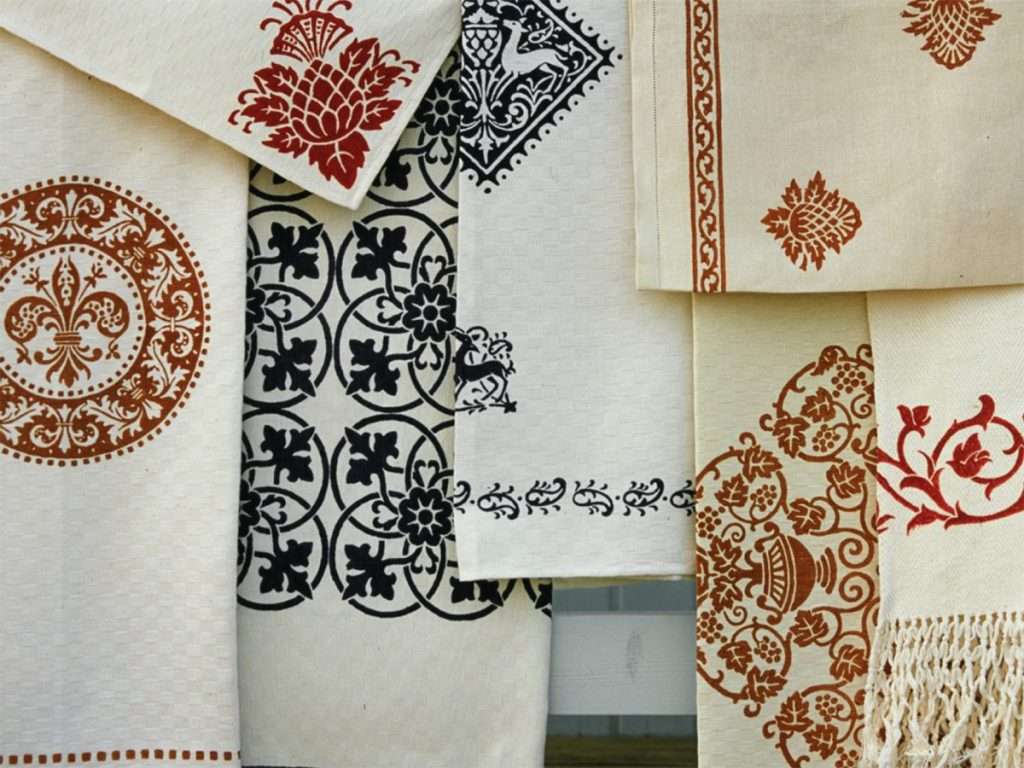
In Italy, textile artistry has taken many forms across the centuries. Block printing is only one of them. In Umbria, the development of mechanical shuttle looms gave rise to fine woven fabrics that combined strength and delicacy. Other regions became known for embroidery, lace, decorative borders, and damask weaving – techniques that brought texture and refinement to both everyday and ceremonial linens. Hand printing became particularly widespread in Emilia-Romagna, where it remains part of the region’s cultural identity. Stamperia Bertozzi is one of the few remaining workshops to preserve this tradition. Its archive includes over 5,000 designs ranging from Renaissance-inspired motifs to clean geometric patterns – a living record of Italian textile design.
In France, Normandy and Brittany became famous for fine flax weaving and lace-making, producing fabrics of lightness and precision. In Belgium and Ireland, linen damask – woven with intricate reversible patterns – became the hallmark of elegance and durability.
These national differences didn’t divide Europe’s textile culture; they enriched it. Each tradition influenced the others through trade, travel, and shared craftsmanship. What unites them is a respect for skill, natural materials, and the idea that even the simplest cloth can hold artistry.
Vintage Hemp Linen: Where Heritage Meets Modern Living
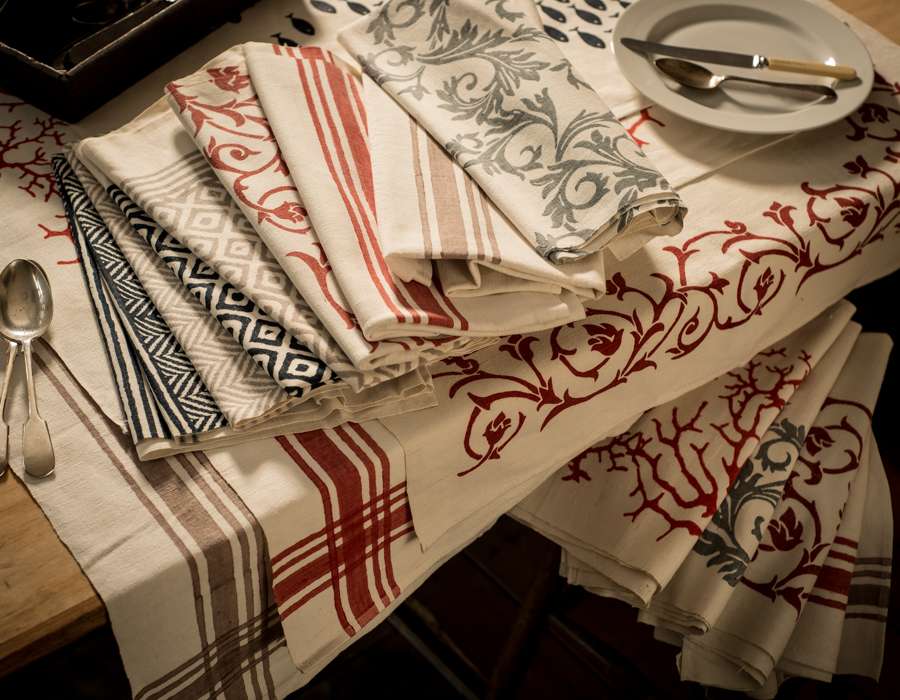 Among the most treasured of all old textiles is vintage hemp linen. Woven in the early 20th century, often between the 1920s and 1940s, these fabrics are finding new life in modern homes.
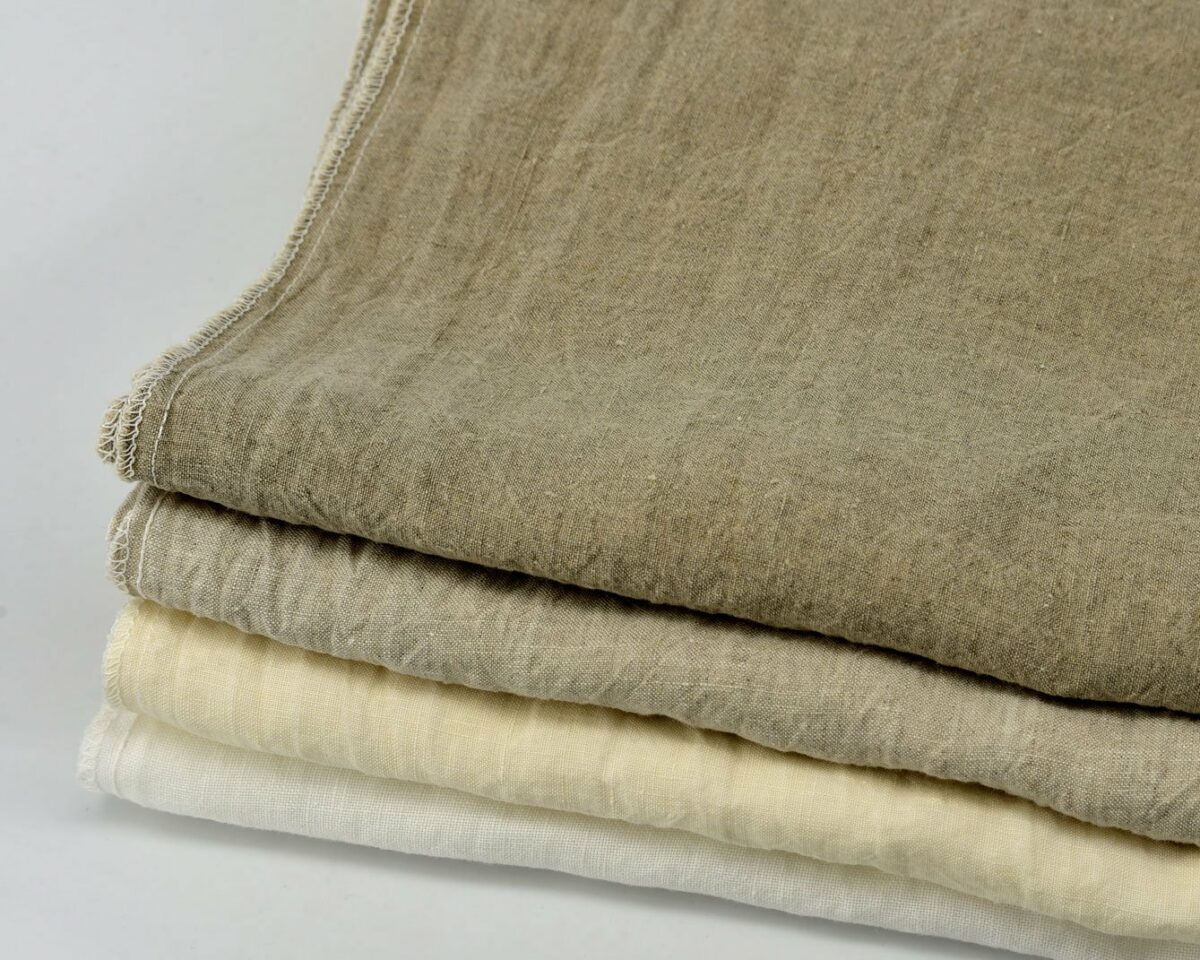
Hemp linen has a distinctive character – firm but soft, textured but refined. Its slightly irregular weave gives it depth, while its natural colour ranges from warm ivory to soft grey.
Unlike new fabrics, vintage hemp linen tells its story quietly: it has already been used, washed, and softened by time. It doesn’t pretend to be new, and that’s what makes it so beautiful.
At AllÓRA, we continue this tradition by transforming old handwoven fabrics into timeless pieces for contemporary living. You can discover examples in our Vintage Hemp Linen Collection, where every piece carries a trace of the past and a purpose for today.
Restoring and Caring for Antique Linens
Caring for antique tablecloths or vintage tea towels is an act of respect. The goal isn’t to make them look new but to help them last another century.
Start gently. Soak them in lukewarm water with a mild soap – no bleach, no harsh chemicals. Avoid wringing, which can damage fibres that have already aged gracefully. Air-dry flat and iron while still slightly damp. The process is slower than modern laundry, but that’s part of the pleasure – it connects you to the rhythm of the past.

Small marks or repairs can be part of a linen’s character. Tiny mending stitches, patches, or slight fading are proof that someone cared enough to keep the fabric in use. If you do choose to restore, match natural fibres with natural threads to keep the integrity of the piece.
When stored, roll tablecloths around acid-free paper or keep them folded in cotton bags. Avoid plastic or sealed boxes – linen needs to breathe.
The Beauty of Lace and Embroidery
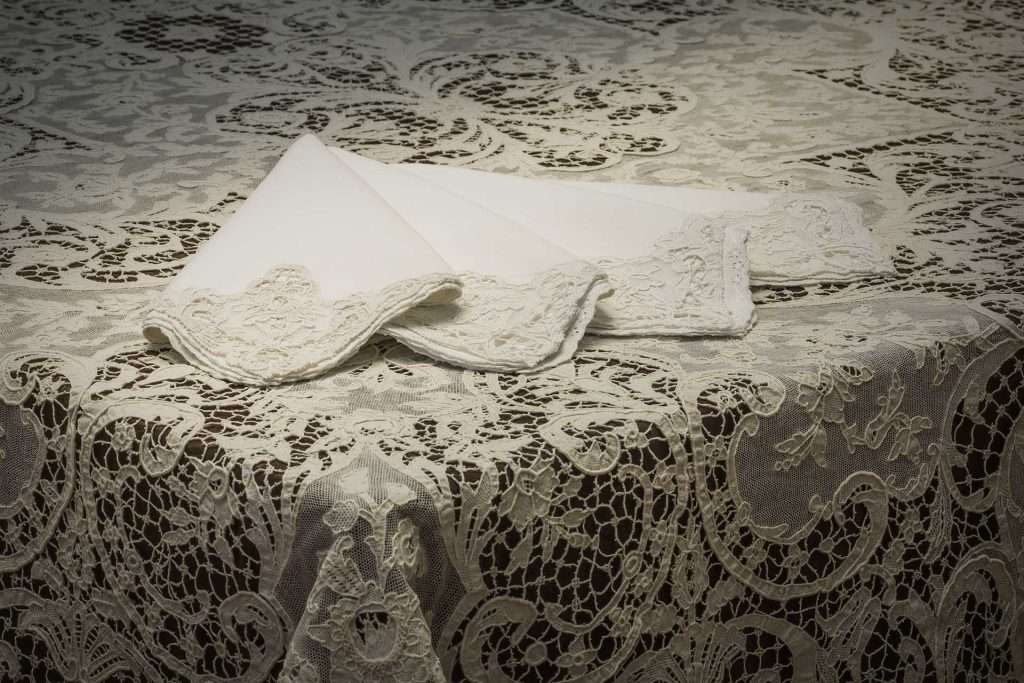
If plain-weave linens speak of utility, lace tablecloths and embroidered pieces speak of devotion. Lace-making, once the pride of European convents and guilds, required a level of patience that’s hard to imagine today. Venetian and Burano lace, with its fine needlework and organic motifs, was as prized in the 17th century as it is now.
Embroidery brought personal expression to household textiles. Initials stitched in red thread were a sign of care and identity. Floral borders and monograms turned simple linens into intimate family heirlooms. Each motif — from stylised leaves to geometric frames – carried regional meaning and the maker’s touch.
For those who wish to explore the artistry of European lace and embroidery, the Victoria and Albert Museum’s Textile Collection remains one of the richest public archives, offering a detailed look at the evolution of these traditions.
How Vintage Linens Fit Modern Homes
It might seem surprising, but antique tablecloths and vintage tea towels fit effortlessly into modern spaces. Their neutral colours, textured surfaces, and organic imperfections make them perfect companions to contemporary materials like glass, concrete, and wood.
A handwoven hemp runner over a minimalist oak table creates balance between past and present. A lace-edged cloth adds softness to clean-lined interiors. Even antique tea towels can find new life as bread wraps, placemats, or framed wall art.
There’s a growing appreciation for the lived-in aesthetic — objects that feel real because they’ve lived a life. Vintage linens fit this philosophy perfectly. They’re tactile, sustainable, and emotionally resonant. They remind us that beauty doesn’t have to be flawless; it just has to be honest.
Collecting Vintage Linens: How to Choose Well
Building a small collection doesn’t require expertise – just curiosity and attention.
Look for signs of authenticity: narrow widths, hand-finished hems, slight irregularities in the weave. A soft hand feel and natural tone are good indicators of age. If you hold the fabric to the light, you might see the tiny uneven threads that give handwoven linen its unique texture.
For lace tablecloths, examine the knots and joins – handmade lace has a looseness and fluidity that machine-made pieces lack. For embroidered items, check the back; visible thread ends or uneven tension suggest it was stitched by hand.
Condition matters, but perfection is overrated. A light stain or repaired area shouldn’t discourage you – it’s part of the textile’s story. In fact, many collectors value these small details as proof of authenticity.
How Designers Use Antique Linens Today
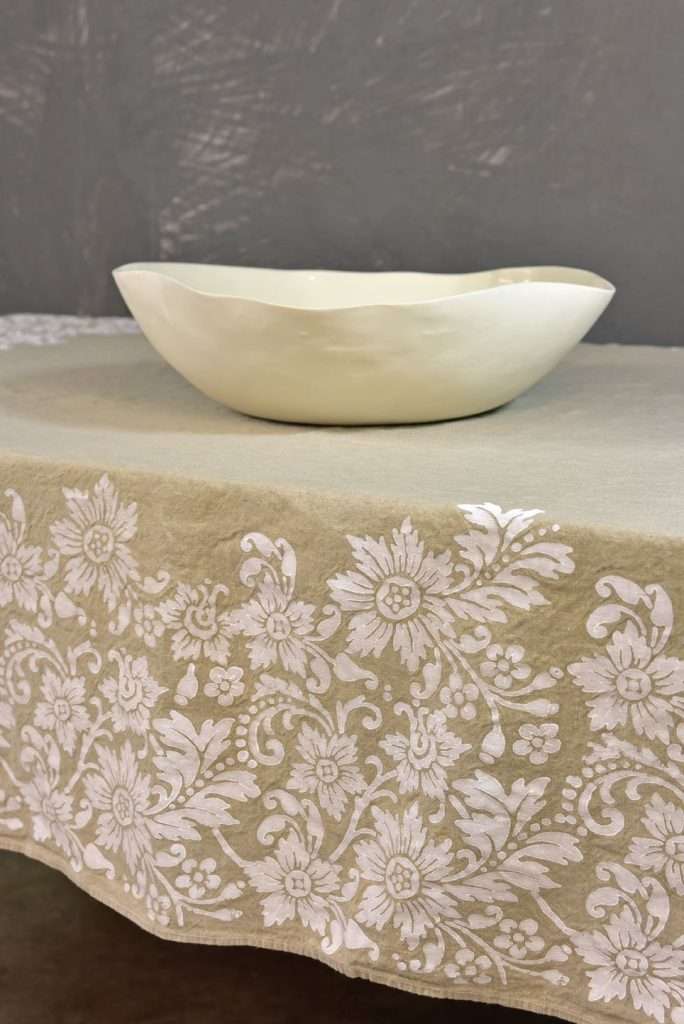
Interior designers and stylists often turn to vintage table linens for the warmth and texture they bring to a room. In Italy, decorators mix antique hemp with contemporary ceramics for a layered, grounded look. In France, lace-edged cloths are used as sheer curtains or overlays on natural wood furniture.
Even in minimalist spaces, vintage linens soften the atmosphere. They introduce quiet detail – a counterpoint to sleek materials and strong lines. Their tactile quality invites touch, and their subdued colours allow them to complement rather than compete.
Contemporary brands are also reviving old techniques. Hand-block printing, traditional embroidery, and natural dyeing are reappearing in limited-edition collections – proof that the values behind vintage textiles still resonate today.
The Cultural Symbolism of the Table
In many cultures, the table is a place of belonging. Setting it with care is an act of generosity. Vintage linens embody this tradition. They represent continuity – the idea that something made with effort and intention can serve again and again, across generations.
Using antique tablecloths today connects us to those who came before. The same fibres that once framed family gatherings now do so again, linking the past and present in a simple gesture of hospitality. In that sense, vintage linens aren’t nostalgic; they’re timeless.
Sustainability and the Value of Keeping Things
Choosing vintage is not only about aesthetics – it’s about responsibility. In a world of fast consumption, reusing and repurposing existing materials is one of the most sustainable choices we can make. Linen and hemp are biodegradable, renewable, and long-lasting.
By choosing vintage or antique tablecloths, you reduce waste and preserve craftsmanship that might otherwise be lost. Each purchase supports a chain of preservation – of skill, history, and artistry. And that’s what makes vintage linens relevant in a modern, conscious home.
Conclusion: Threads That Connect Us
Vintage table linens do more than decorate a table; they connect us to the people and practices that shaped them. They remind us that the most meaningful objects are those made to last – not just in material, but in spirit.
A lace tablecloth carefully stitched a century ago, a hemp runner woven on a handloom, or a monogrammed tea towel embroidered for a wedding – all hold something rare: authenticity. They belong in our homes not as relics, but as part of a living tradition that values patience, beauty, and care.
When we unfold these fabrics today, we unfold the stories of those who came before us. And in doing so, we continue the thread.