
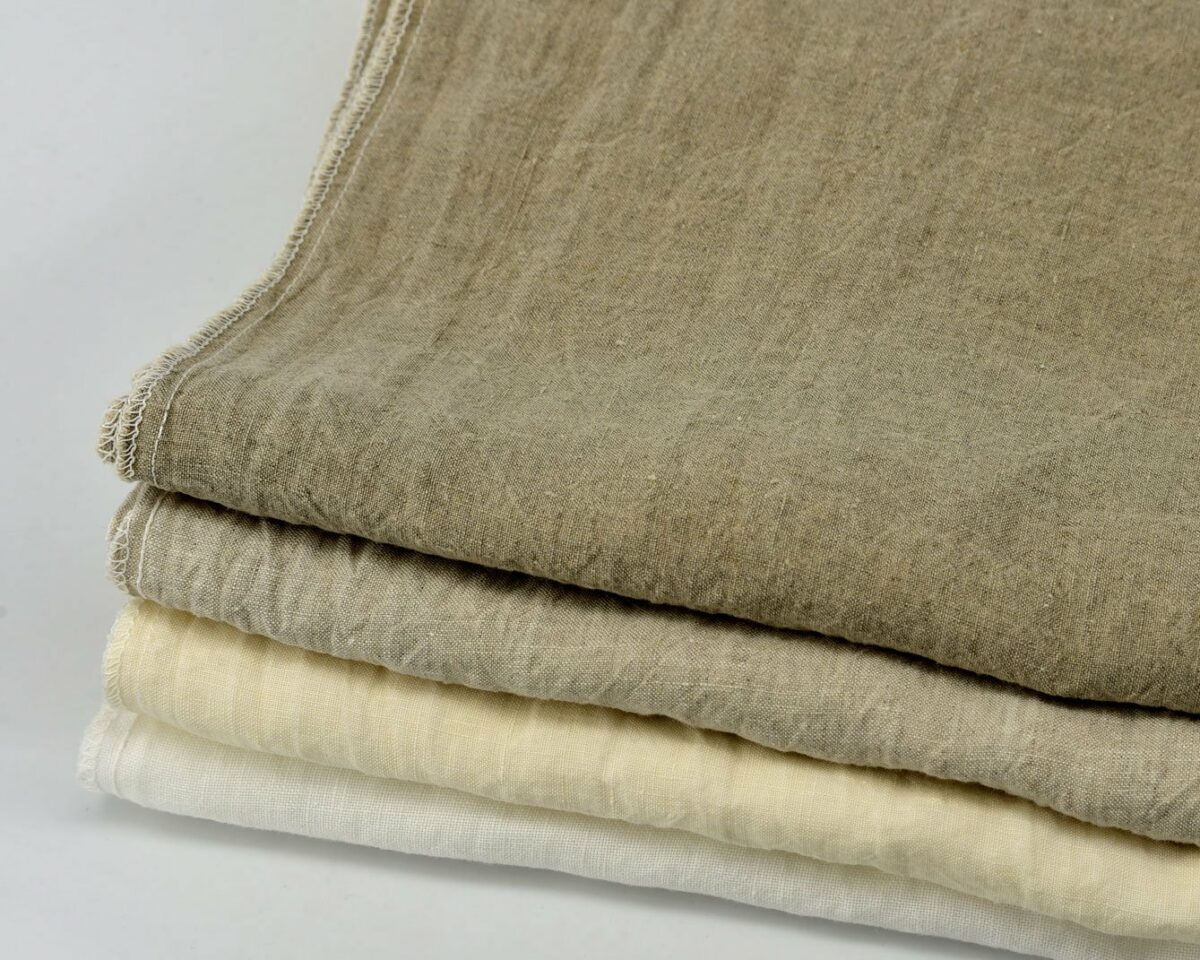

News
Shabby Chic Kitchen Interior Design Ideas
Jan
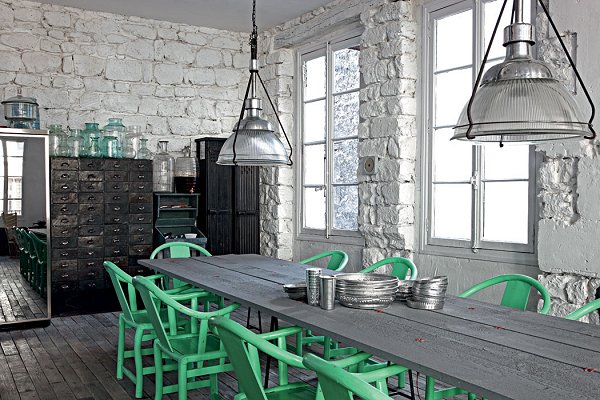
Design by Paola Navone – Photo by COCO REPUBLI
Style lovers’ love affair with shabby chic is far from over. If anything, it has matured — softened into something more intentional and more personal. When exploring enduring shabby chic kitchen interior design ideas, there is perhaps no richer source of inspiration than Italy, where rustic charm and quiet sophistication have long existed side by side.
At AllÓRA, we are continually drawn to interiors that feel layered rather than styled. Kitchens that evolve. Spaces that reflect the rhythms of daily life. Shabby chic design allows exactly that — the freedom to mix textures, colours and materials without rigidity, while still maintaining harmony and warmth.
Unlike minimal interiors that can sometimes feel restrained, shabby chic kitchens celebrate individuality. They invite patina. They embrace softness. And most importantly, they feel like home.
What Defines a Shabby Chic Kitchen?
Shabby chic kitchen interior design blends vintage character with understated elegance. It is not about artificial distressing or theatrical nostalgia. Instead, it centres around authenticity.
A shabby chic kitchen often includes:
- Soft, neutral or pastel colour palettes
- Distressed or gently time-worn wooden furniture
- Open shelving displaying ceramics and glassware
- Linen textiles with natural drape
- Decorative touches inspired by cottage, coastal or French country styles
The beauty lies in balance. There is refinement, but never stiffness. There is romance, but never excess. Each piece should feel chosen rather than coordinated.
Four Timeless Styles of Shabby Chic Kitchens
When researching shabby chic kitchen interior design ideas, four classic interpretations often emerge.
Cottage Chic
Cottage chic introduces a modern lightness to farmhouse tradition. Painted wooden cabinets in cream or muted sage sit alongside floral tableware and rustic shelving. Modern appliances blend quietly into the space, softened by vintage-inspired lighting.
Beach Cottage Chic
Beach cottage chic adds coastal calm. Crisp white cabinetry, glass-front cupboards and hues drawn from the sea — soft aqua, ocean blue and sandy neutrals — create a breezy atmosphere. Nautical elements remain subtle and refined.
French Country Chic
Inspired by rural France, this style features stone flooring, generous wooden tables, chandeliers and warm linen textiles. Decorative accents feel gently ornate but never overpowering.
Gustavian (Swedish) Chic
Gustavian kitchens are more restrained. Pale painted furniture, curved lines, uncluttered surfaces and subtle gilded details create a calm interpretation of shabby chic style.
Each approach offers inspiration, yet the most beautiful kitchens often blend elements organically.
Building Depth Through Materials
A cohesive shabby chic kitchen is built through layered materials. Wood, ceramic, linen and glass work together to create warmth and texture.
Ceramic Tableware and Cookware

No shabby chic kitchen feels complete without ceramics on display. Open shelving lined with bowls, stacked plates arranged by tone and well-loved pie dishes resting on wooden worktops create visual richness.
Ceramic complements shabby chic interiors naturally. It carries subtle variations in glaze and finish. It feels tactile and grounding.
At AllÓRA, our ceramic and porcelain tableware is handmade in Italy. Each piece bears the quiet marks of craftsmanship — slight irregularities that ensure individuality.
Displaying ceramics openly reinforces the relaxed spirit of shabby chic kitchen interior design. Allow them to become part of the architecture.
You may enjoy exploring our ceramic tableware collection here.
Luxury Italian Linen
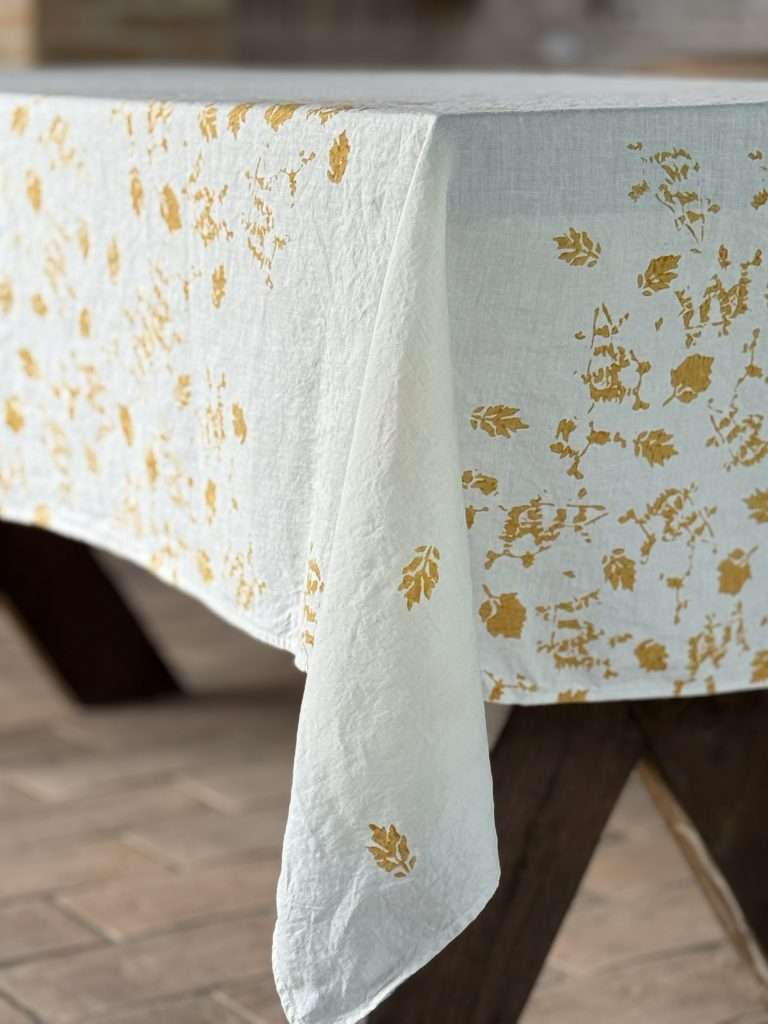
Textiles soften harder surfaces and introduce movement. Italian linen, renowned for its durability and breathable weave, adds quiet elegance to the kitchen.
A floral tablecloth draped over a farmhouse table. A hand-printed tea towel resting against cabinetry. Linen napkins layered with ceramic plates.
In shabby chic interiors, linen should never appear overly pressed. Its natural creases contribute to authenticity. It should feel used and appreciated.
Hand-Blown Murano Glass
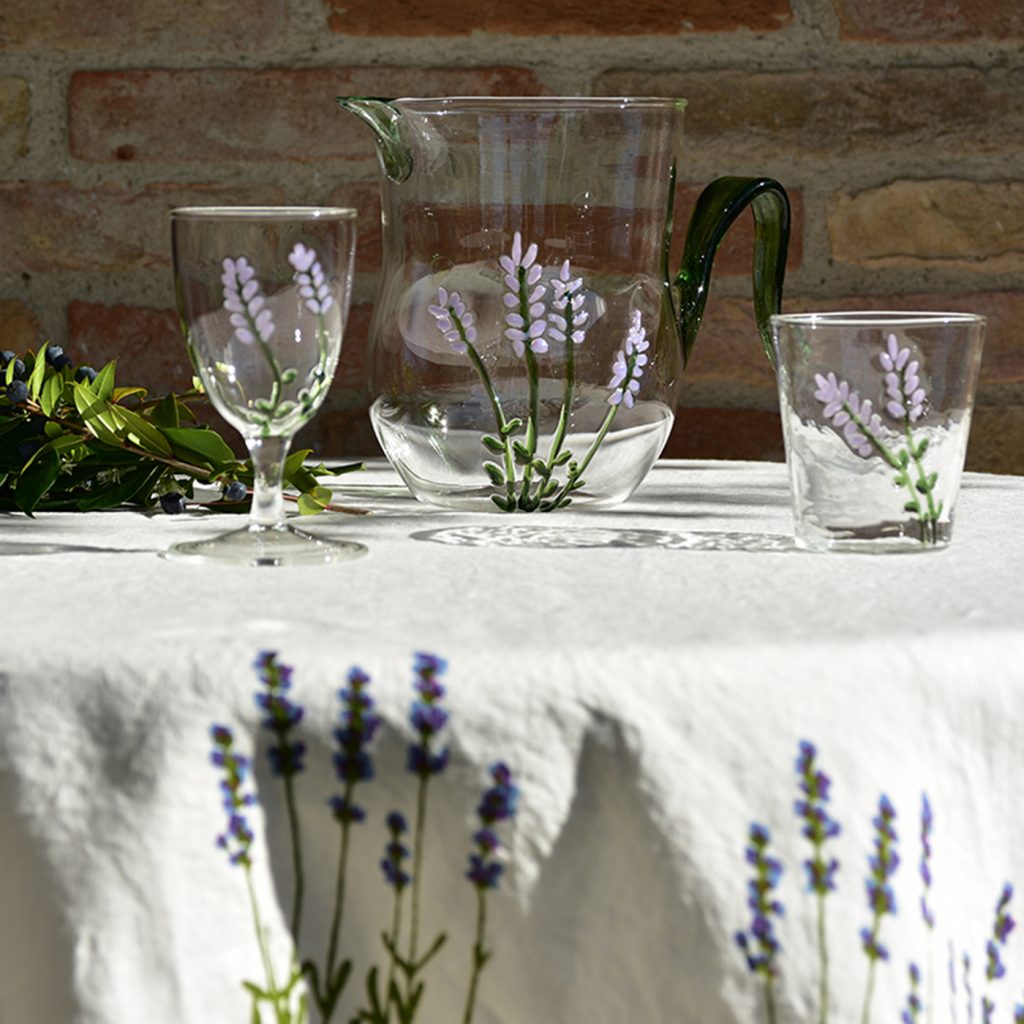
Glass introduces light and contrast. Against distressed wood and matte ceramics, hand-blown glass catches natural light and prevents the room from feeling visually heavy.
Murano glass, crafted on the Venetian island of Murano for centuries, carries deep artisanal heritage. Tiny air bubbles and subtle colour shifts reflect traditional techniques.
Display tumblers along open shelves. Use decorative bowls for fruit. Pair glass with linen and ceramic to create depth.
Coastal Influences and Mediterranean Hues
If beach cottage chic appeals, Mediterranean influences can gently shape your palette. Soft blues, sea greens and coastal neutrals create atmosphere without overwhelming the space.
The key is restraint. Coastal shabby chic should whisper rather than announce itself.
Colour Palettes for Shabby Chic Kitchens
Colour in shabby chic kitchen interior design should feel layered rather than stark.
Popular palettes include:
- Warm creams and antique whites
- Dusty blue and muted sage
- Soft blush and faded rose
- Pale greys with delicate gold accents
- Mediterranean turquoise highlights
Keep larger surfaces neutral and allow accessories to introduce personality.
Furniture and Lighting
Distressed wooden tables, curved-back chairs and open shelving are central features. Brass or ceramic handles add subtle detailing.
Lighting should feel warm and ambient. Chandeliers or soft pendant lights enhance evening atmosphere.
The goal is patina, not polish.
Why Italian Craft Complements Shabby Chic Style
Italian craftsmanship aligns naturally with shabby chic philosophy. Across Italy, artisans continue traditions in ceramics, textiles and glassblowing that prioritise patience and skill.
Introducing handmade pieces brings authenticity and emotional depth.
Timeless kitchens increasingly favour material integrity over fleeting trends, as explored in contemporary design conversations such as Architectural Digest’s reflections on enduring kitchen design:
https://www.architecturaldigest.com/
A Kitchen That Grows With You
The most enduring shabby chic kitchen interior design ideas are not rigid templates. They are evolving expressions of personal style.
A shabby chic kitchen should feel gathered rather than installed. A ceramic bowl discovered years ago. Linen that softens with time. Glassware that catches light differently each season.
Begin with a neutral base. Introduce handmade ceramics. Layer in linen textiles. Add glass for reflection and contrast. Allow your kitchen to evolve naturally.
At AllÓRA, our collections are created to integrate gently into everyday life — enriching rather than overwhelming. Designed for shared meals, quiet mornings and daily rituals.
Move slowly. Choose thoughtfully. Let your kitchen grow with you.
For even more shabby chic kitchen ideas, take a browse through our collections to see our entire collection of stunning artisanal accessories and luxury Italian pieces that will elevate your home and allow you to craft an always-on-style kitchen.
Frequently Asked Questions About Shabby Chic Kitchen Interior Design
What is shabby chic kitchen interior design?
It is a style that blends rustic charm with vintage elegance, incorporating distressed finishes, soft colour palettes, layered textiles and artisanal accessories.
Is shabby chic kitchen design still in style?
Yes. Its focus on craftsmanship, authenticity and warmth ensures lasting appeal beyond seasonal trends.
How can I modernise a kitchen using shabby chic elements?
Introduce open shelving, ceramic tableware, linen textiles and vintage-style lighting while keeping your existing layout. Layer gradually rather than redesigning entirely.
What colours work best in a shabby chic kitchen?
Cream, antique white, sage green, dusty blue and blush tones create warmth and cohesion.
How do I avoid clutter in a shabby chic kitchen?
Focus on quality over quantity. Leave breathing space between displayed pieces and maintain harmony in tone.
Are handmade materials important in shabby chic interiors?
Yes. Handmade ceramics, linens and glassware enhance authenticity and reinforce the layered, collected aesthetic.