

News
Authentic Murano Glass: The Timeless Craft Behind Venice’s Most Iconic Art
Mar
Credit: Vetreria Estevan Rossetto 1950
Few artistic traditions evoke the same sense of history, beauty, and craftsmanship as authentic Murano glass. For centuries, the Venetian island of Murano has been home to master artisans who transform molten glass into objects of remarkable elegance. Their work reflects not only exceptional technical skill but also a deep cultural heritage that continues to inspire collectors, designers, and lovers of authentic Murano glass craftsmanship around the world.
From vibrant decorative bowls to refined glassware, Murano glass represents a unique meeting point of art, tradition, and everyday function. Each handcrafted piece carries the story of a craft that has been carefully preserved for generations while continuing to evolve with contemporary design.
Understanding Murano glass means discovering a world where patience, creativity, and tradition come together in every detail.
What Is Murano Glass?
Murano glass is handcrafted glass made on the Venetian island of Murano in Italy using traditional techniques developed over more than 700 years. Murano artisans shape molten glass by hand, often using glassblowing methods that create unique colours, patterns, and forms. Because each piece is individually crafted, authentic Murano glass is valued for its artistry, heritage, and one-of-a-kind character.
This enduring Venetian glassmaking tradition has transformed Murano into one of the most recognised centres of artistic glass production in the world.
For many visitors to Venice, discovering Murano glass Italy means exploring not only beautiful decorative objects but also a centuries-old artisan culture that continues to shape the identity of the Venetian lagoon.
The Venetian Origins of Murano Glass
The story of Murano glass begins in Venice in the late thirteenth century. At the time, the Venetian Republic ordered glassmakers to relocate their furnaces to the nearby island of Murano. The decision was partly practical, reducing the risk of fires in the densely built city, but it also created an extraordinary artistic community.
Within a relatively small island, glassmakers began refining and sharing techniques that soon made Murano the most important centre of glassmaking in Europe.
Murano artisans developed innovations such as cristallo, an exceptionally clear glass that resembled rock crystal, as well as complex decorative techniques that transformed glass into true works of art. Venetian merchants carried these pieces across Europe and beyond, and Murano glass quickly became synonymous with quality and craftsmanship.
Today, the history and artistic heritage of Murano glass can be explored through institutions such as the Murano Glass Museum, which preserves centuries of Venetian glassmaking tradition and showcases the evolution of this remarkable craft.
Although centuries have passed since those early workshops flourished, the island of Murano remains a place where traditional glassmaking is still practised with remarkable dedication.
Murano Glass Craftsmanship: A Tradition Passed Through Generations
What truly distinguishes Murano glass is the depth of skill required to create it. Glassmaking is not simply a technical process; it is an art that relies on years of apprenticeship and experience.
In many workshops on the island, knowledge is passed from master to apprentice over decades. Young artisans learn how to control the furnace, shape molten glass, and recognise the precise moment when the material is ready to be formed.
Glass behaves almost like a living substance. It moves, stretches, and cools rapidly, requiring constant attention and refined technique. Master glassmakers develop an instinctive understanding of how to guide the material while maintaining the elegance and balance that define Murano design.
This dedication to authentic Murano glass craftsmanship is what continues to distinguish Murano artisans from industrial glass production.
Each generation of artisans contributes new ideas while preserving the essence of this remarkable tradition.
The Art of Hand-Blown Murano Glass
At the heart of Murano glassmaking lies the extraordinary process of glassblowing.
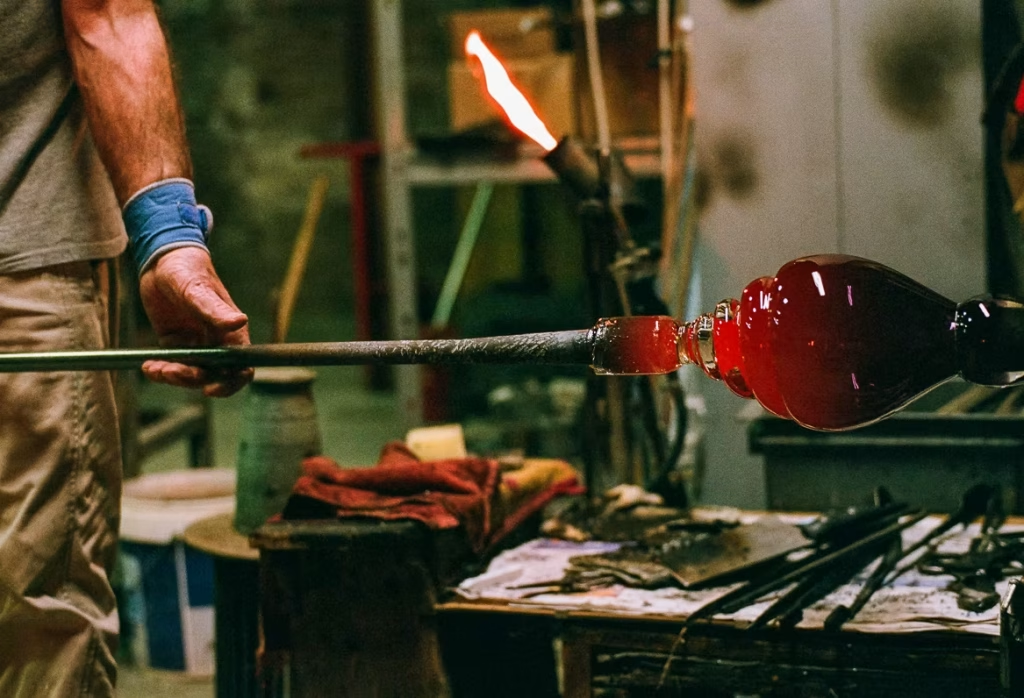
Artisans begin by heating a mixture of silica sand and minerals in a furnace until it melts into a glowing liquid. The molten glass is gathered onto the end of a long metal pipe known as a blowpipe.
By gently blowing air through the pipe and carefully rotating the molten material, the artisan begins shaping the glass. Wooden paddles, metal tools, and gravity itself are used to guide the form as it develops.
Timing is essential. Glass cools quickly, and every movement must be deliberate and precise. Often several artisans collaborate in shaping a single object while it remains hot and workable.
Watching Murano glass artisans at work reveals a choreography of movement, concentration, and experience. It is a process that combines technical mastery with artistic intuition.
Because every object is formed by hand, subtle variations naturally occur. These small differences ensure that every piece of Murano glass is unique.
The Colours and Light of Murano Glass
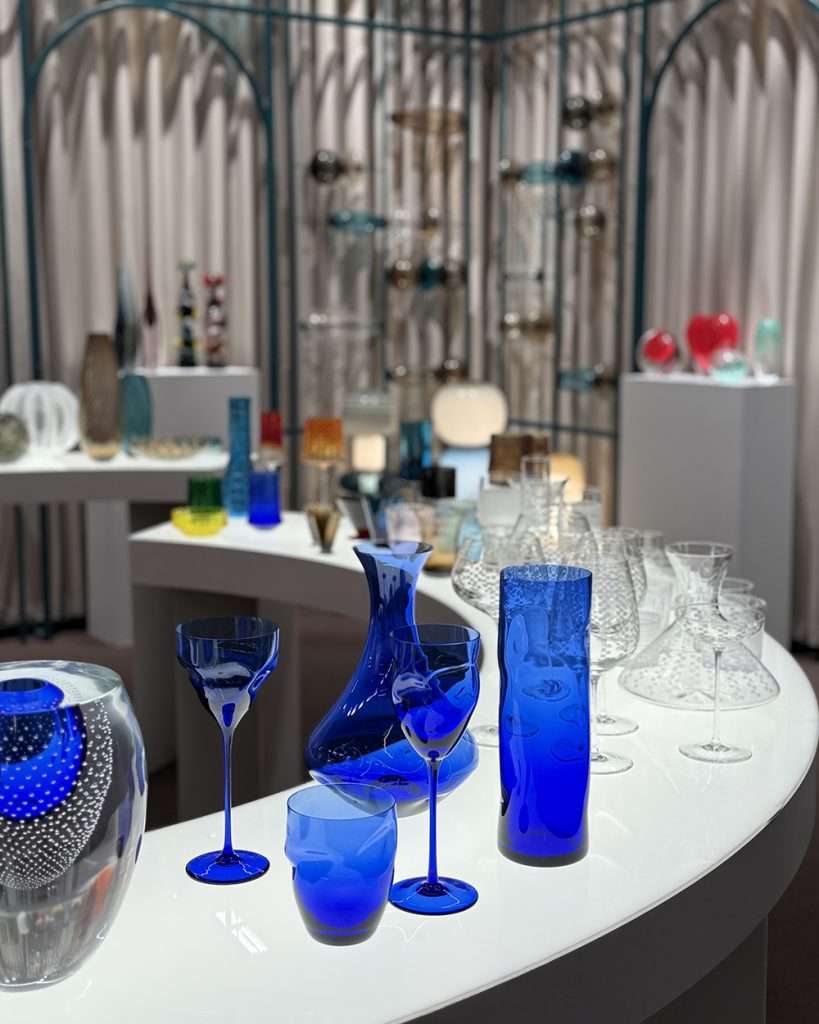
Murano glass is celebrated for its rich and luminous colours. These tones are created by adding specific minerals to the molten glass during the melting process.
Over centuries, Murano artisans perfected the delicate balance required to produce vibrant shades while maintaining the clarity and brilliance of the material.
Some traditional colour techniques include:
- Cobalt, which creates deep blue tones
- Copper, used to produce greens and turquoise hues
- Gold compounds, responsible for intense ruby reds
The interaction between colour and light gives Murano glass its distinctive visual presence. When sunlight passes through the glass, layers of colour reveal depth and movement that can transform the atmosphere of a room.
This luminous quality is one reason why Murano glass has become an important element in Murano glass home décor, where handcrafted pieces add warmth and artistic character to interior spaces.
Murano Glass Techniques That Define the Art
Murano glass is also renowned for its distinctive decorative techniques. These methods allow artisans to create intricate patterns and visual effects that cannot easily be replicated by machine production.
Among the most famous techniques are:
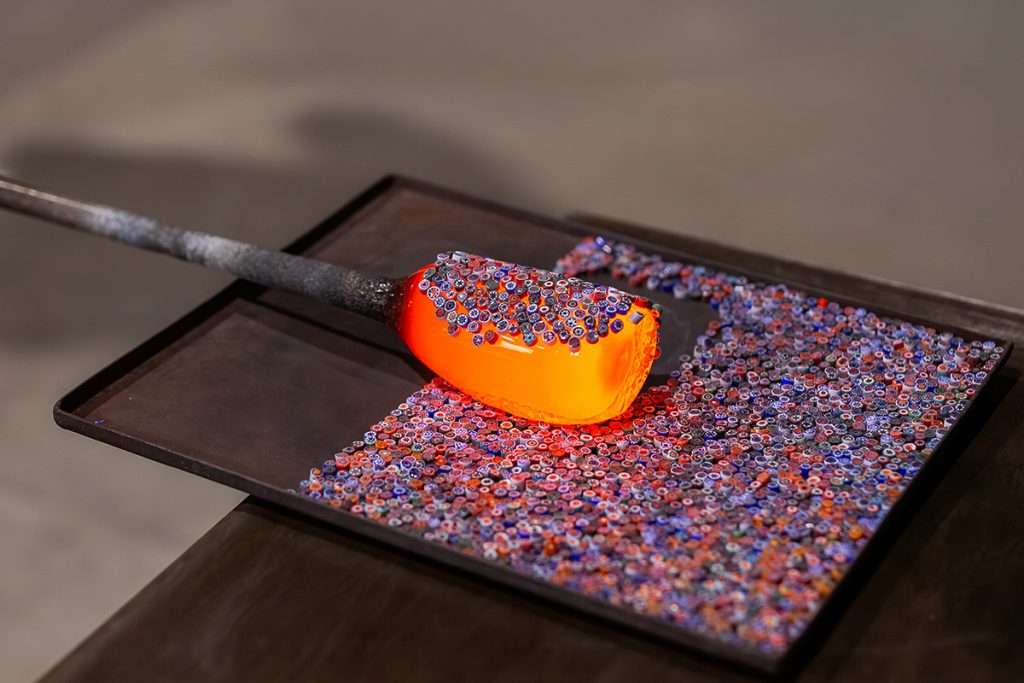
Millefiori
Meaning “a thousand flowers,” this technique uses colourful glass rods arranged into floral patterns embedded within the glass.
Sommerso
A layering technique where different colours of glass are fused together to create dramatic depth.
Filigrana
Delicate threads of white or coloured glass embedded within clear glass to produce elegant linear patterns.
These techniques demonstrate the remarkable creativity and technical mastery that have made Murano glass admired around the world.
Murano Glass Bowls: Sculptural Beauty for the Home
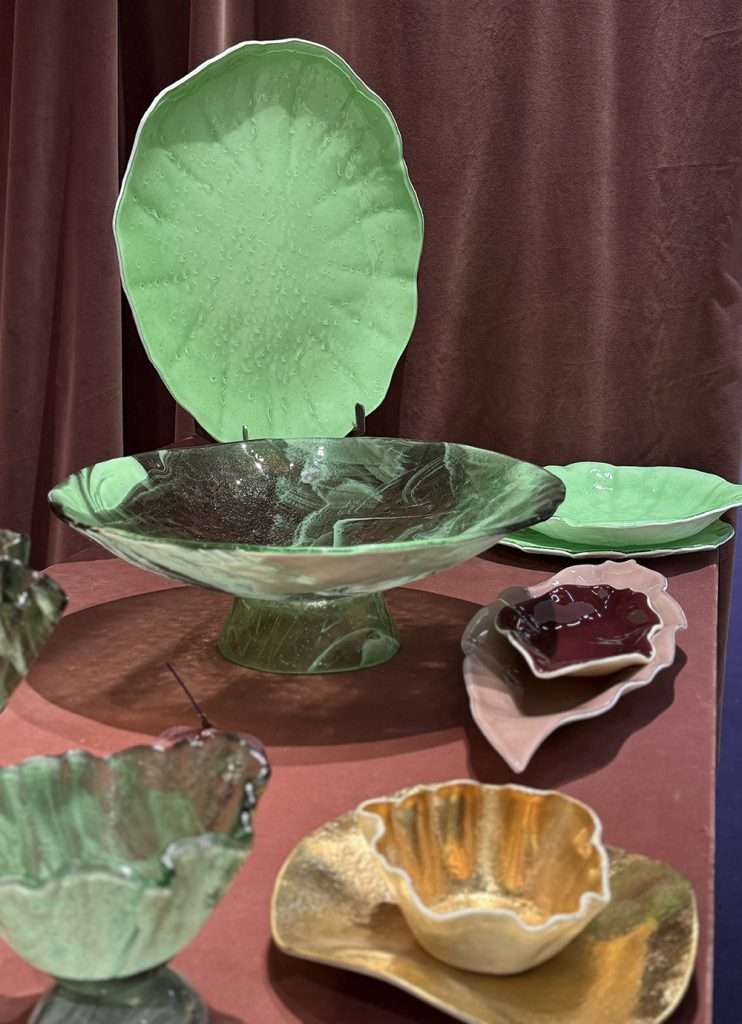
Among the many forms created by Venetian glassmakers, Murano glass bowls are particularly admired. These pieces represent a perfect balance between decorative art and everyday functionality.
Some bowls are designed as striking sculptural centrepieces, with flowing organic shapes that highlight the fluid nature of molten glass. Others offer elegance and practicality for daily use.
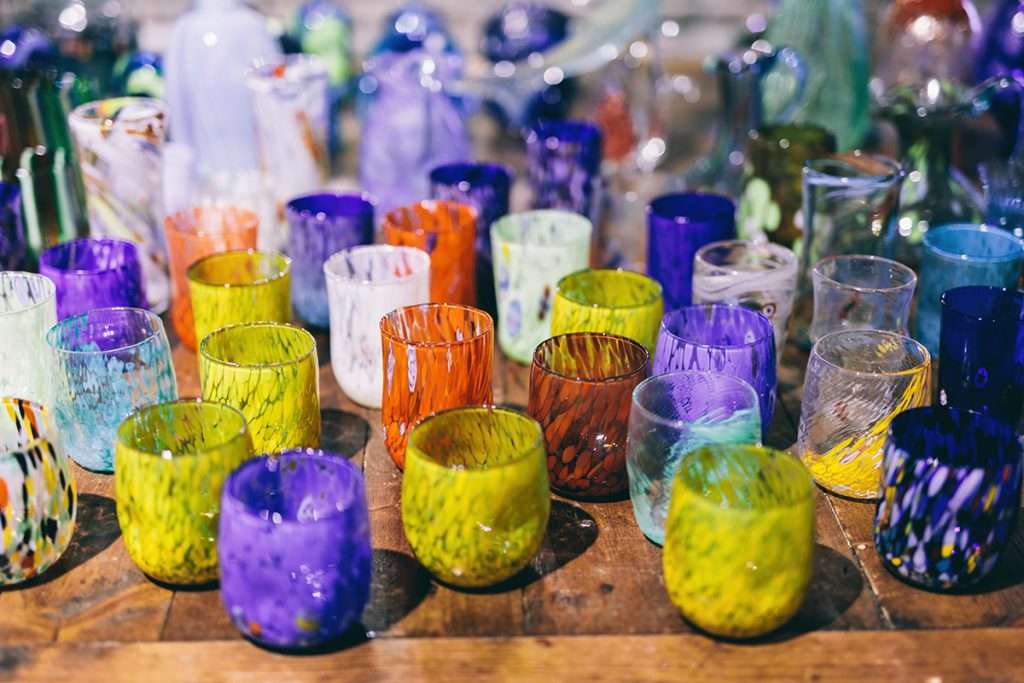
Many handmade Murano glass bowls showcase traditional techniques such as millefiori or sommerso, allowing vibrant colours and patterns to unfold across the surface of the glass.
Because of their versatility, Murano glass bowls can be placed in many areas of the home. A colourful bowl on a dining table, console, or coffee table immediately introduces light, colour, and craftsmanship into the space.
For those interested in discovering how this craftsmanship continues today, a curated collection of handmade Murano glass bowls illustrates the remarkable diversity of colours, shapes, and techniques created by contemporary Venetian artisans.
Today, Murano artisans continue to create extraordinary pieces ranging from decorative sculptures to elegant hand-blown Murano glassware, each reflecting the creativity and mastery that have defined Venetian glassmaking for centuries.
Murano Glass in Contemporary Interior Décor
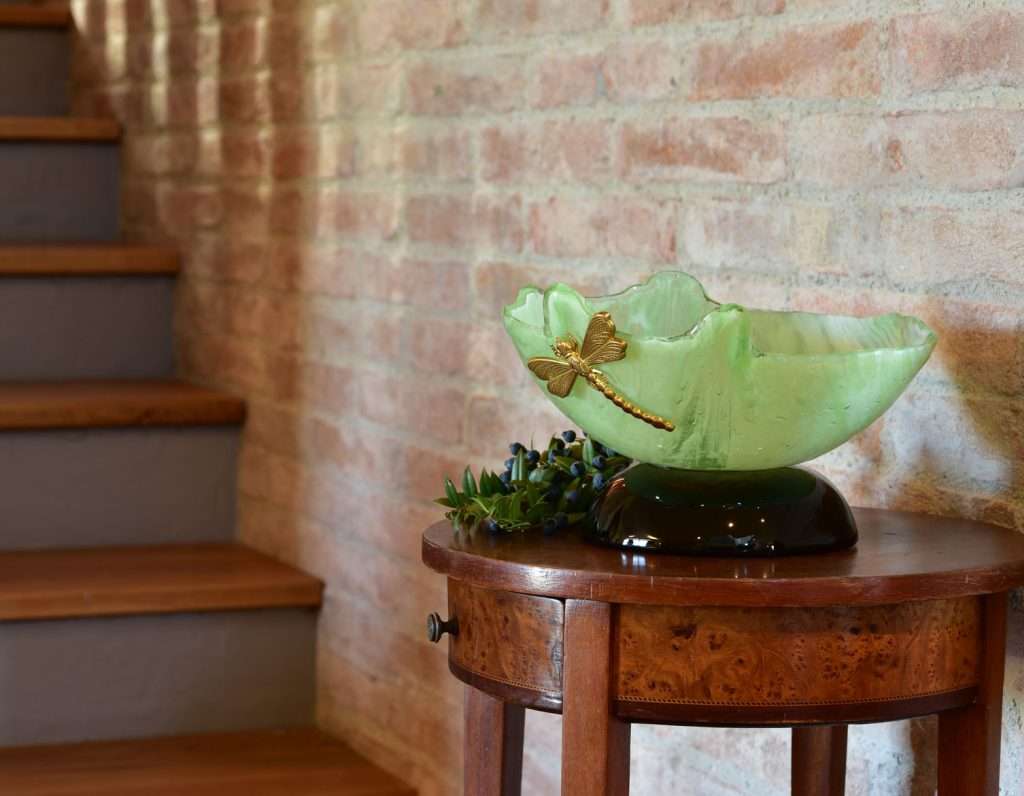
Although Murano glass has centuries of history, it remains remarkably suited to modern interiors.
Interior designers often incorporate Murano pieces to introduce colour, texture, and personality into contemporary spaces. A single handcrafted object can serve as a focal point that enriches a room while reflecting the beauty of traditional craftsmanship.
Murano glass works beautifully in a variety of styles, including:
- Modern minimalist interiors
- Mediterranean-inspired homes
- Farmhouse or cottage-style spaces
- Eclectic interiors filled with colour and texture
Decorative objects such as bowls, vases, and hand-blown Murano glassware bring warmth and artistry into modern homes, demonstrating how traditional Italian craftsmanship continues to inspire contemporary design.
Why Authentic Murano Glass Remains Unique
As Murano glass gained worldwide recognition, imitations inevitably appeared. However, authentic Murano glass remains distinguished by several essential qualities.
First, genuine Murano glass is handcrafted by skilled artisans rather than mass-produced in factories.
Secondly, Murano glass represents a continuous artistic tradition rooted in Venetian culture. Many workshops remain family-run businesses where techniques are passed down through generations.
Another defining feature is individuality. Because each piece is handmade, slight variations in form, colour, or pattern are natural and contribute to its character.
Owning a Murano piece therefore means owning something more meaningful than decoration — it means holding a fragment of living cultural history and celebrating the enduring beauty of Italian glass craftsmanship.
Choosing the Right Murano Glass Piece for Your Home
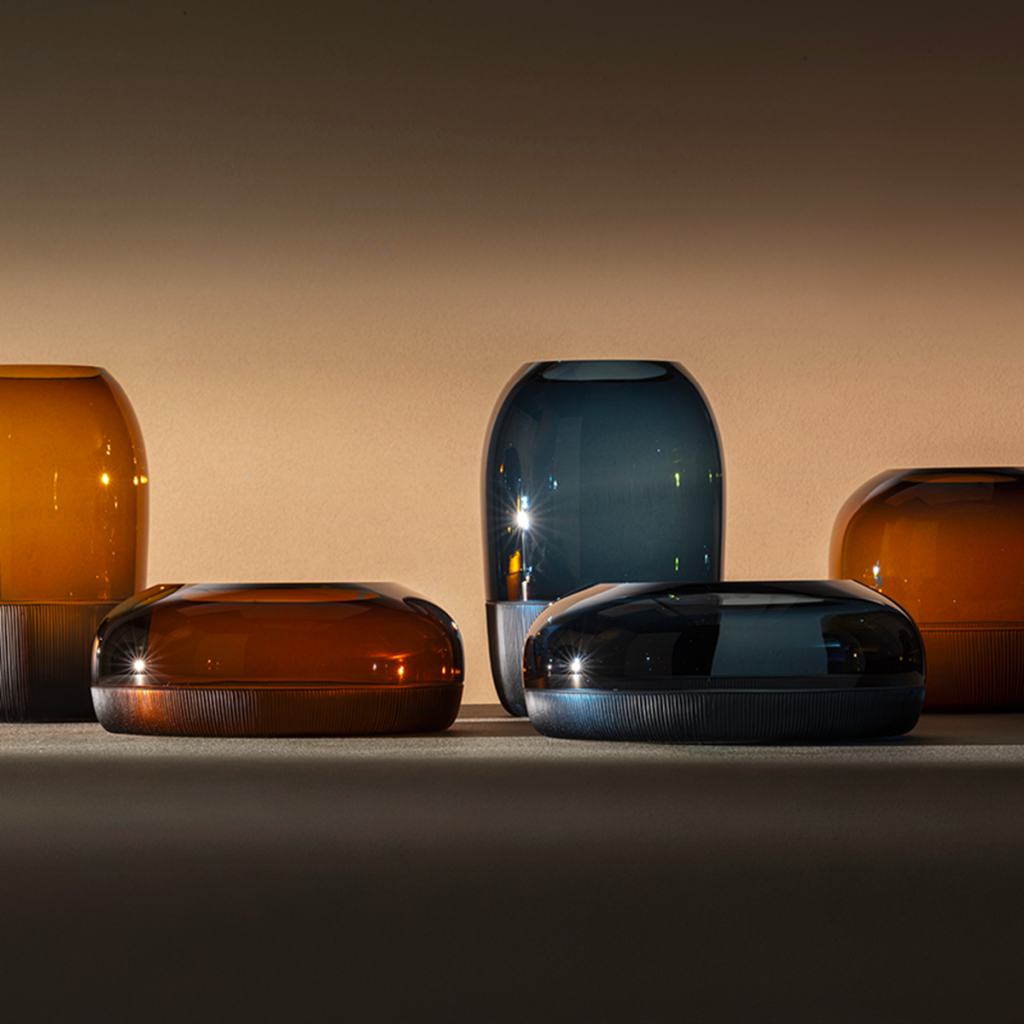 Credit: NasonMoretti
For many people, discovering Murano glass for the first time is both exciting and inspiring. With such a wide variety of colours, shapes, and artistic techniques, selecting the right piece often becomes a personal journey that reflects individual taste and interior style.
Many collectors begin with versatile pieces such as Murano glass bowls or hand-blown glassware, which combine artistic beauty with everyday functionality.
When choosing a Murano glass piece, it can be helpful to consider a few elements.
Colour and Light
Murano glass is celebrated for its vibrant colours and luminous qualities. Some people prefer bold shades that create a striking centrepiece, while others choose softer tones that blend harmoniously with existing décor.
Shape and Form
One of the most fascinating aspects of Murano glass is its fluid, organic form.
Function and Placement
Handmade Murano glass bowls, for example, are often displayed as centrepieces on dining tables or coffee tables.
Authentic Craftsmanship
Choosing pieces created by experienced Murano glass artisans ensures that the object reflects the true traditions of Venetian glassmaking.
Over time, a carefully chosen Murano piece becomes more than a decorative object — it becomes part of a home’s story.
Preserving a Living Artisan Tradition
In an era dominated by mass production, Murano glass stands as a powerful reminder of the value of craftsmanship.
Murano artisans continue to work in small studios where knowledge is shared through apprenticeship and dedication. Their work preserves a Venetian glassmaking tradition that has shaped artistic culture for centuries.
Supporting authentic Murano glass helps preserve this remarkable heritage while celebrating the creativity and skill of the artisans who keep the tradition alive.
Frequently Asked Questions About Murano Glass
What is authentic Murano glass?
Authentic Murano glass is handcrafted glass produced on the Venetian island of Murano using traditional techniques developed by local artisans over centuries.
Why is Murano glass so valuable?
Murano glass is valued for its craftsmanship, artistic heritage, and the skill required to create each piece by hand.
Is Murano glass always handmade?
Yes. Genuine Murano glass is traditionally hand-blown or handcrafted by skilled artisans rather than mass-produced.
Are Murano glass bowls collectible?
Yes. Handmade Murano glass bowls are highly collectible because they combine sculptural beauty with everyday functionality.
How can you tell if Murano glass is authentic?
Authentic Murano glass typically comes from recognised Murano workshops and may include documentation or certification. Handmade characteristics, such as slight variations in shape or pattern, also reflect its artisan origin.