

News
Geometries of the Renaissance Table: Translating Regional Italian Motifs into Modern Minimalist Curation
Jun
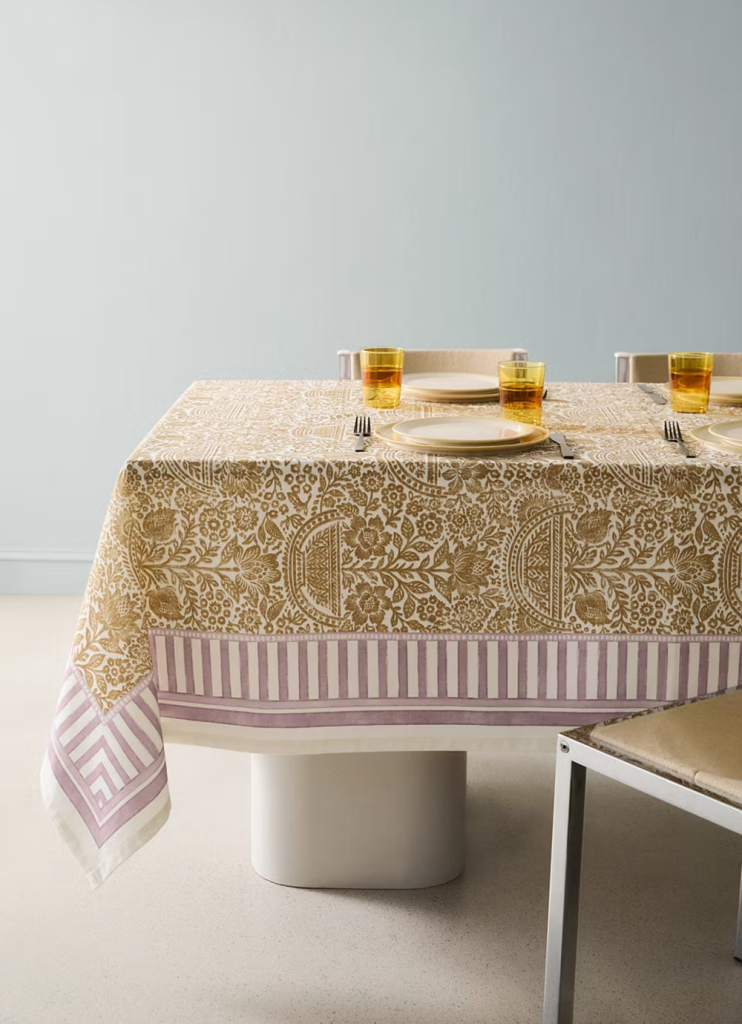
Credit: Mango
Integrating traditional heritage patterns into a clean, modern home requires an understanding of visual balance, material weight, and natural light. In contemporary interior design, a functional space relies on the honest, structural logic of regional craft to ground large, open rooms. This analysis explores how traditional geometric layouts, hand-mixed mineral pigments, and artisan textile printing work together to complement a minimalist aesthetic.
The balance between simple architecture and artisan heritage creates an opportunity to introduce tactile contrast as a core design element. Minimalist dining rooms, often designed with smooth stone, raw concrete, or wide glass windows, need an element of material warmth to soften their clean lines. Traditional Italian crafts reveal a documented lineage of mathematical proportion and geometric order. By focusing on how these pieces function in a room rather than treating them as temporary decoration, design professionals can select heritage objects that enhance the architectural framework of a home.
The Layout Balance of Repetitive Botanical Designs
The visual impact of a tablecloth within a dining space depends entirely on how its pattern is arranged. Modern minimalist interiors often feature large surfaces of polished marble, smooth concrete, or matte timber. These materials look best when paired with textiles that offer a subtle grounding focus rather than a visual distraction. Patterns that sit strictly along the edge or perimeter leave the centre of the table clean and neutral, creating a frame for contemporary dinnerware. Conversely, designs that focus on a central print look most striking when place settings are arranged with clean, balanced symmetry.
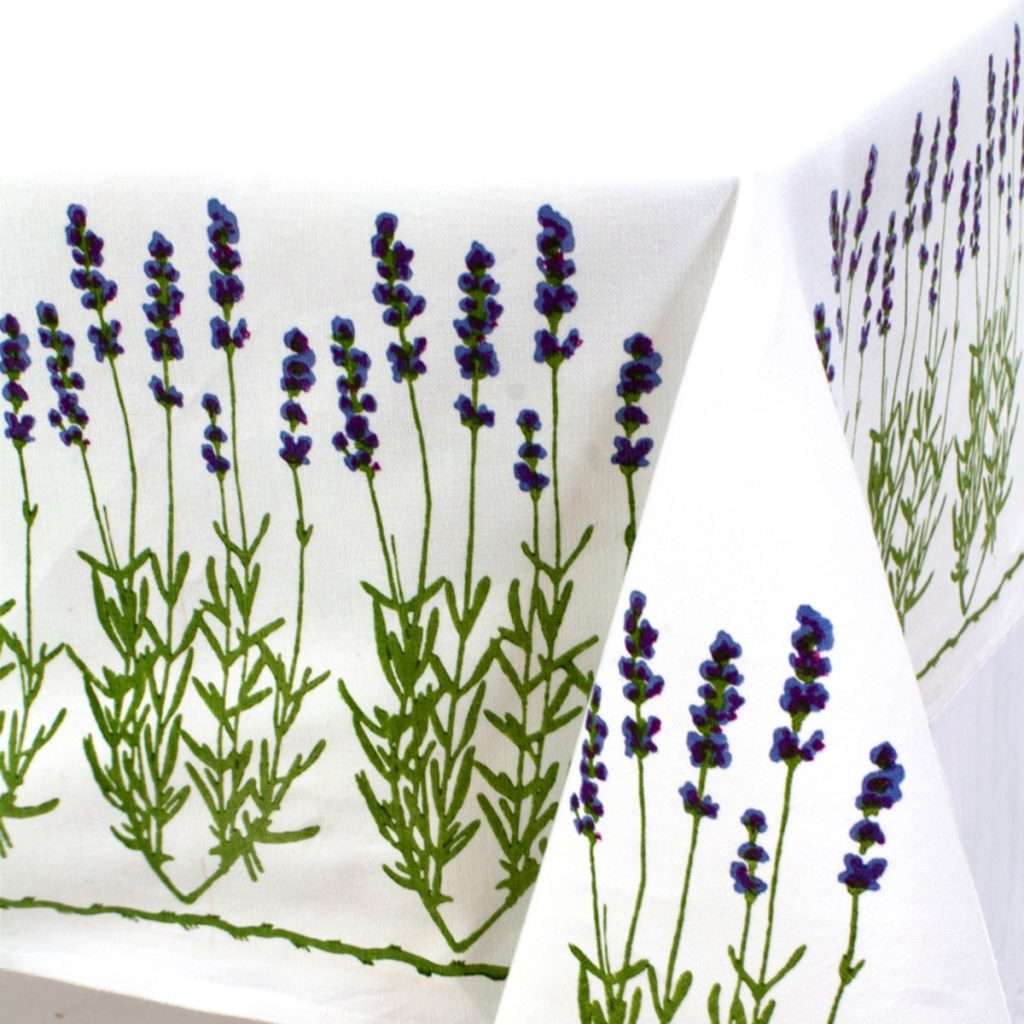
The spacing of repeating botanical motifs—such as the slender lavender stems found in traditional hand-printed layouts—is arranged to look calm under overhead dining lights. When these motifs are printed at measured intervals across a natural flax surface, the plain space between the designs becomes an essential part of the artwork. This deliberate spacing ensures that the fabric retains its clean, graphic form even when viewed from a distance or an open upper-level mezzanine. The repeating pattern flows across long dining setups, offering visual continuity for large residential projects or commercial events without altering the proportions of the room.

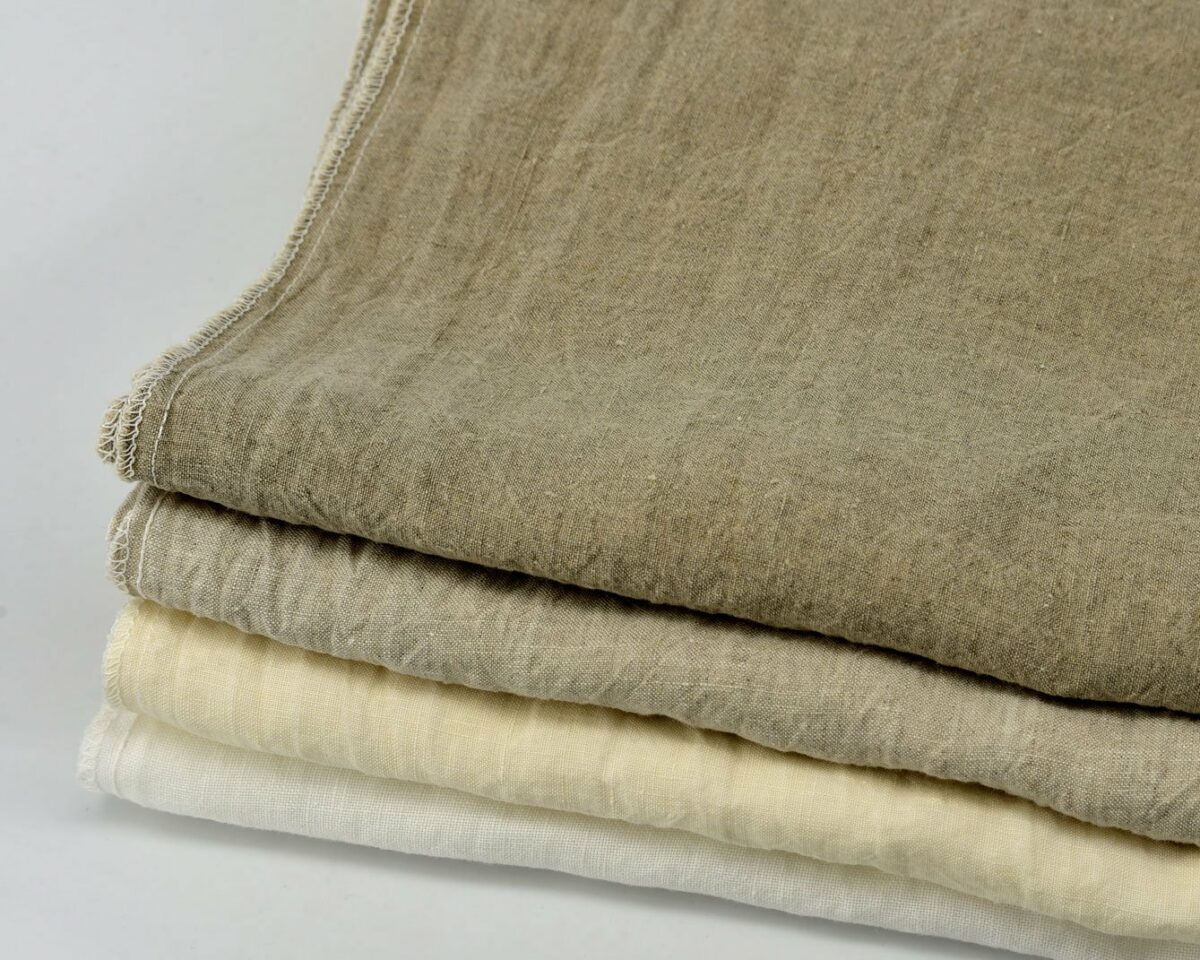
The weight and texture of the fabric itself also change how a print sits on the table. Our stone-washed linen tablecloths feature a distinguished wrinkle effect that brings a soft, relaxed texture to a room, yet the dense flax fibres ensure the edges still drop in clean, straight lines. This material stability means designers can count on consistent drape margins around custom cabinetry and table seating. When the geometric lines of an artisan block print run parallel to the physical edge of the table, the fabric feels like an intentional extension of the room design rather than a temporary cover.
Chromatic Chemistry: Mineral Glazes and Ambient Light
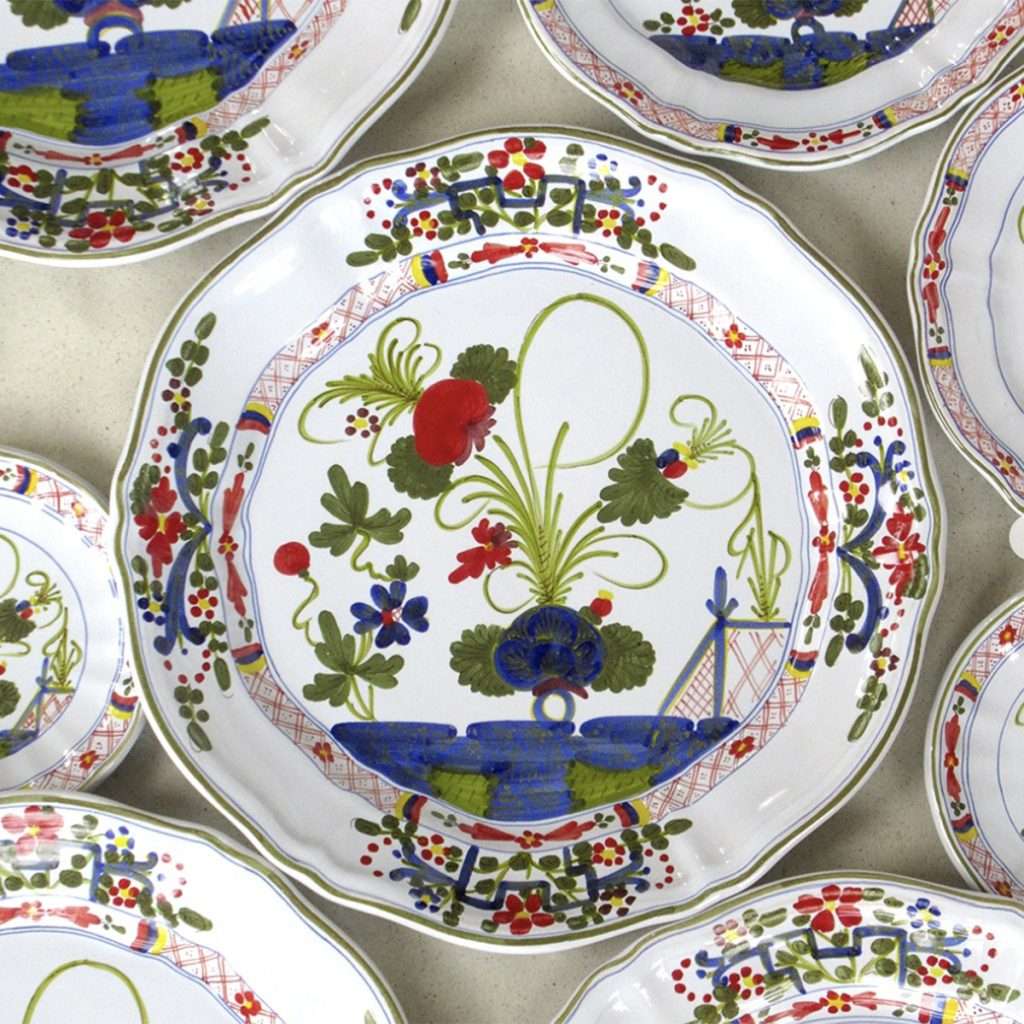
Bringing traditional Italian designs into a minimalist space involves more than just textiles; it also includes the raw chemistry of artisanal ceramic glazes. Traditional workshops specialising in hand-painted majolica rely on natural metal oxides—such as copper for green tones, cobalt for deep blues, and manganese for deep purples—to mix rich, deep pigments. These raw glazes are fired in regional kilns at temperatures exceeding 1000 degrees Celsius. This process transforms the clay base and the painted pigments into a dense, smooth glass-like layer that reacts with the lighting in a room.
Under soft home spotlights or bright natural sunlight, these hand-applied mineral glazes reflect light with a gentle, uneven depth that mass-produced synthetic ceramics do not replicate. Because these glazes are applied via hand-dipped base layers and manual brushwork, slight variations in thickness cause subtle shifts in light reflection and shadow across the ceramic piece. This natural variation keeps single-colour minimalist tablescapes from looking cold or clinical. By selecting specific copper greens or iron-oxide rust tones, interior designers can coordinate tableware collections to match the warmth and tone of a room’s ambient light.
Additionally, the natural heat resistance of these high-fired regional ceramics ensures they remain durable and practical for busy hosting environments. The strong bond between the mineral glaze and the underlying clay prevents fine cracks from forming during quick temperature changes. This technical strength is valued by hospitality planners who want a genuine, hand-crafted aesthetic without losing daily durability during busy dining services. The physical weight of the heavy ceramic also provides a satisfying, grounded feeling that firmly anchors each place setting to the table surface.
The Material Typology of Murano Glass Formulations
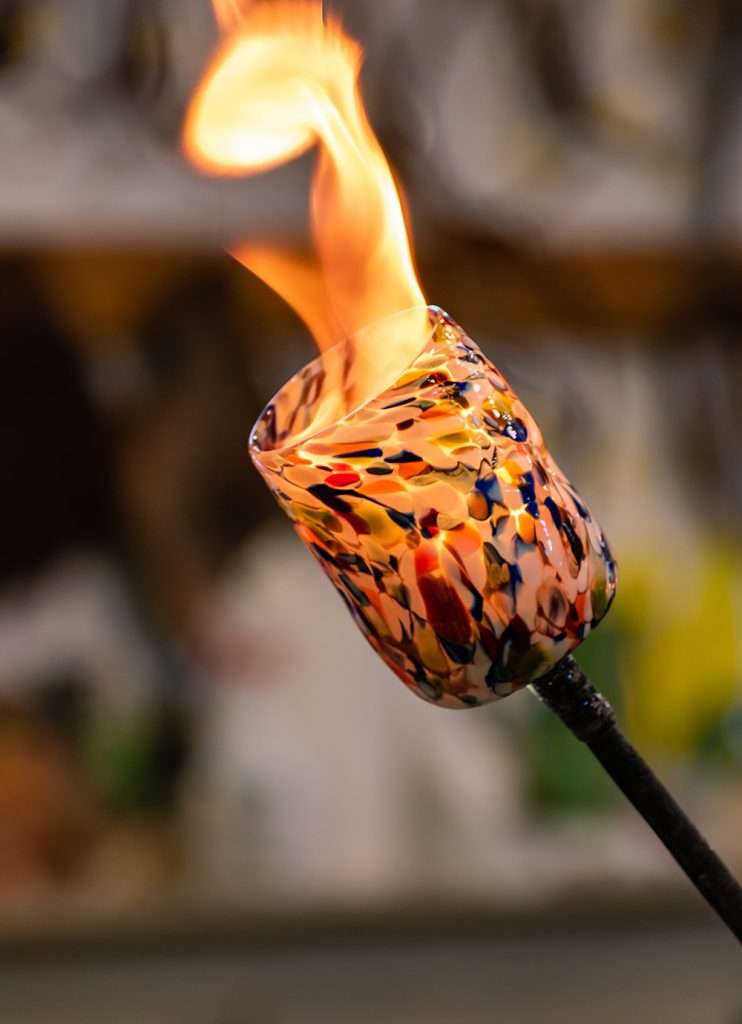
Arranging glassware across a considered table setting requires a careful balance of transparency, light refraction, and traditional shapes. Venetian glassmaking traditions, preserved across generations in the island workshops of Murano, rely on specific silica mixtures and slow cooling times to control how light travels through each finished glass. Unlike modern lead crystal, which is engineered for perfect, uniform shine, traditional Murano methods introduce tiny air bubbles and faint lines during the hand-blowing process. These delicate interior features catch light rays, casting soft, gentle shadows onto the linen tablecloth below.
The clean shapes of traditional Murano glassware—from classic twisting styles to modern cylindrical silhouettes—serve a clear purpose in a room’s design. In a dining space dominated by long horizontal surfaces, the height and silhouette of hand-blown glass cups break up the flat lines to add layered dimension. The subtle tint of the glass, created by adding cobalt, gold chloride, or selenium to the molten batch, should be chosen to match the overall colour temperature of the room. When arranged correctly, the glassware acts as a channel for light, casting warm, coloured reflections across the neutral surfaces of the table.
For the trade professional, the genuine authenticity of hand-blown glass offers a documentable asset that elevates a design portfolio. The complete absence of mechanical machine lines proves that each individual cup was shaped by a master craftsman, meaning no two pieces share identical dimensions or weight. This slight variation brings a welcome human element into spaces filled with highly precise, modern materials. It creates a dining environment where the everyday objects on display possess an individual presence, emphasising quality through true craftsmanship rather than corporate branding.
Integrating Heritage Motifs into Trade Specifications
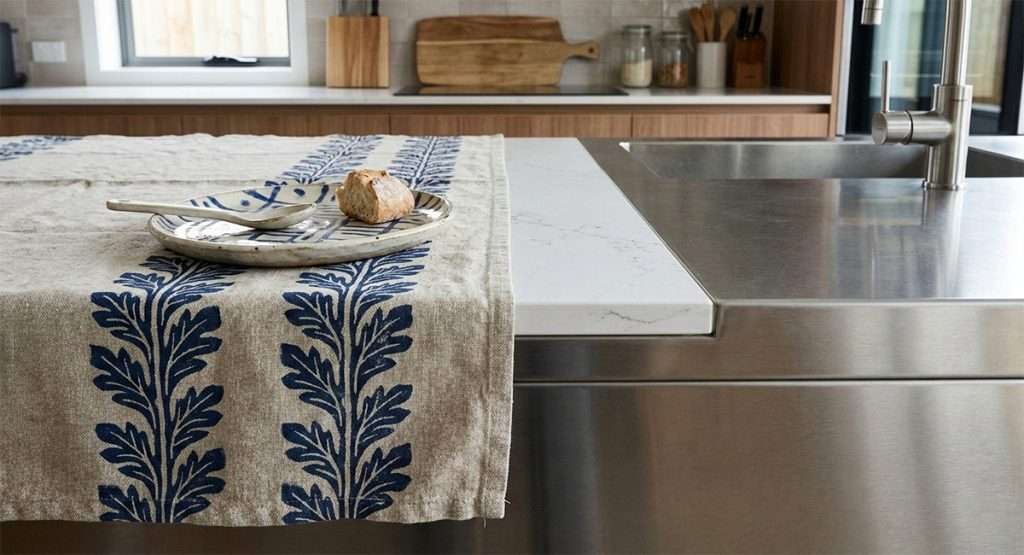
For design professionals coordinating custom residential projects, using heritage motifs is an excellent way to create rich material contrast. A hand-stamped geometric linen tablecloth or a hand-painted ceramic plate acts as a soft, textured counterpoint to smooth, non-porous surfaces like quartz countertops, stainless steel kitchen islands, or modern glass partitions. Designers can select patterns that share a similar colour palette with the structural materials of the house, using the orderly layout of the artisan textiles to mirror the clean grid lines of the surrounding home.
The logistical process of sourcing these hand-made assets involves matching project dimensions with the production schedules of individual regional workshops. Because these premium pieces are made in small batches using traditional shuttle looms and manual pottery wheels, production lead times are built directly into the early stages of project planning. Trade clients can use custom sizing frameworks to order unique tablecloth lengths for grand dining rooms or large circular tables, ensuring the fabric drops to sit just above the floor line.
When sharing these interior details with clients who value environmental sustainability, project documents can highlight the ecological metrics of the artisan production line. Using 100% biodegradable natural flax fibres and non-toxic, organic printing pastes ensures a minimal environmental footprint and clean production cycles. This verifiable origin aligns with modern sustainable building standards and premium eco-certifications, giving architects clear, honest data to support their design choices. Supporting these multi-generational artisan skills also preserves vital human heritage, fulfilling a key social responsibility goal in modern luxury design briefs.
The Applied Geometry of the Contemporary Setting
The final arrangement of a dining table works much like a miniature floor plan, where every object is given a coordinated home. Placing the tablecloth establishes the foundational layer, setting the visual boundaries for the entire dining space. Dinnerware is then arranged along clean axes, using the repeating shapes of the textile pattern to guide the spacing between each place setting. This spatial discipline ensures that when detailed regional motifs are introduced, the final table layout preserves clean sightlines and geometric alignment with the surrounding architecture.
To explore these legacy patterns preserved within archival collections, designers can look to the extensive digital records curated by institutions like the Victoria and Albert Museum Textile Collection. These documented catalogues show how geometric repetition has brought order to European dining spaces since the Renaissance, proving that structural balance is a long-standing design lineage rather than a modern trend. By grounding modern dining rooms with objects rooted in these classic foundations, designers create spaces that outlast passing home trends.
Ultimately, the true value of choosing authentic, regional Italian homeware lies in its unique ability to combine a rich human story with everyday usefulness. The item ceases to be a simple accessory and becomes a central part of the dining experience, satisfying the standards of private collectors and design professionals alike. Through thoughtful material selection, clear layout planning, and a deep respect for authentic craft, the modern dining room achieves a sense of lasting permanence that celebrates traditional skills while embracing the clean principles of contemporary architecture.
FAQ
How do stone-washed linen tablecloths hang differently than crisp flax versions?
Stone-washed flax undergoes a natural mechanical washing process that gently softens the stiff fibres of the plant. This creates a relaxed, distinguished wrinkle effect while keeping a substantial, high-quality fabric weight of 380 grams per square metre. While classic crisp flax sits in completely flat planes, stone-washed linen maintains an identical structural drape and perpendicular weave alignment. Designers can calculate accurate table drop margins with either choice, as our pre-washed fabrics will not shrink or lose their shape during subsequent washing cycles.
Why do hand-painted mineral glazes look better under home LED spotlights?
Many factory-made plates use flat, synthetic chemical stains that reflect bright light evenly across the surface, which can look cold and shiny under modern LED home lighting. Traditional hand-painted Italian majolica features very slight variations in glaze thickness because it is executed via manual dipping and individual brushwork. When fired, natural minerals like copper and cobalt create a deep, layered glass finish. These tiny shifts in the surface catch light at different angles, creating soft, natural shadows that make the tableware look warm and dimensional rather than flat or glossy.
What custom options are available for unique table sizes and shapes?
AllÓRA trade accounts offer tailored design options that go far beyond standard retail sizing. Professionals can order custom dimensions for exceptionally long banqueting tables, wide seamless drapes, custom ovals, and oversized round tablecloths to fit bespoke furniture or stone surfaces. Because our regional Italian workshops use traditional low-speed shuttle looms and hand-carved woodblock printing methods, custom sizes are coordinated directly within our artisan production cycles. This ensures perfect colour matching and precise fabric dimensions for individual project timelines.